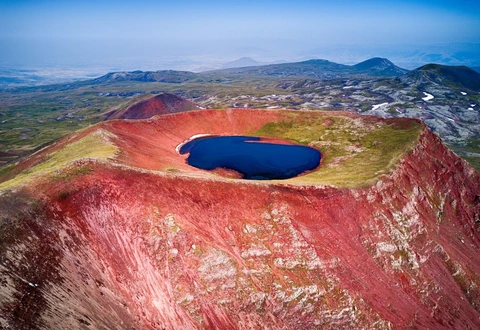
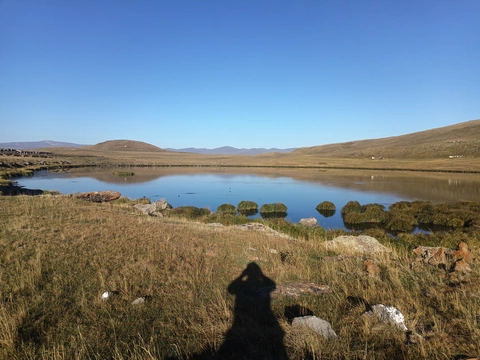
"Armenia enchants hikers with stunning trails through lush forests, majestic peaks, and ancient monasteries."
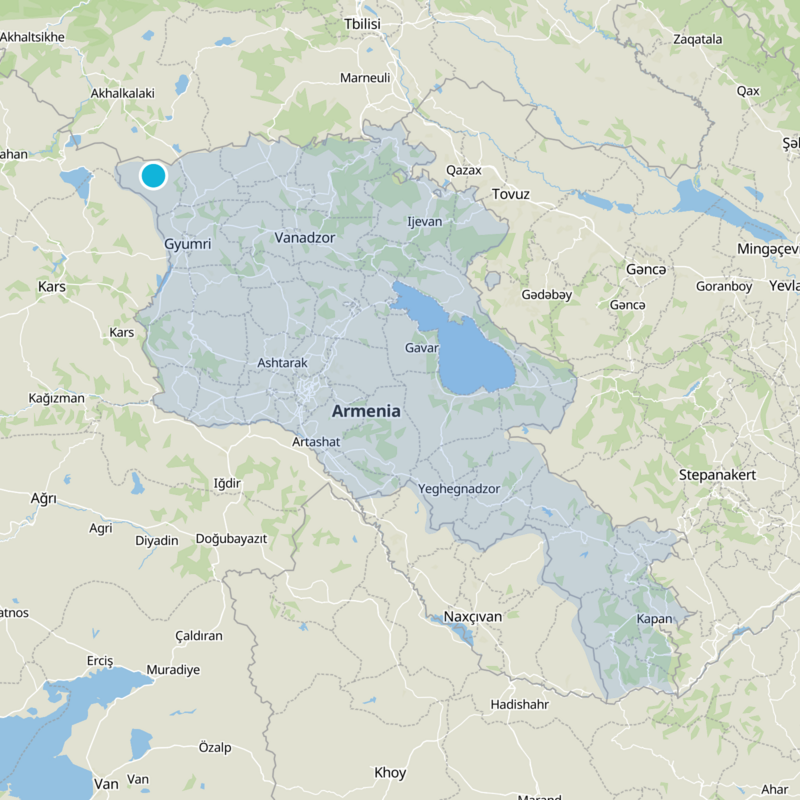
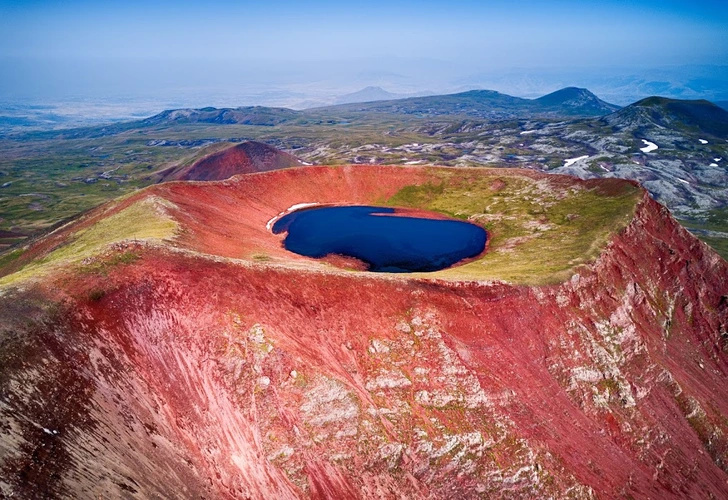
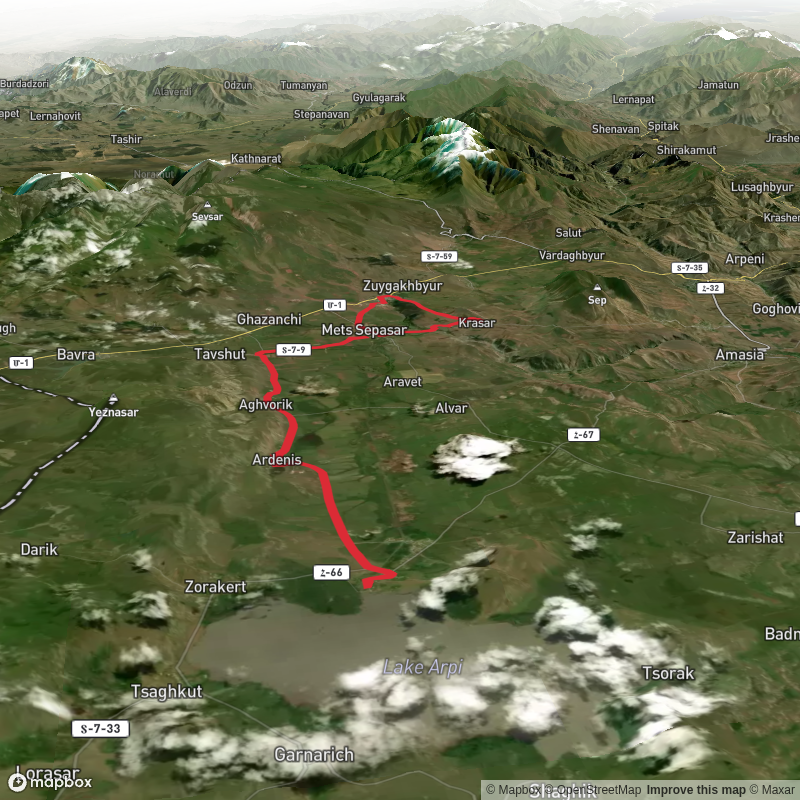
Hiking in Armenia takes you from the forested slopes around Dilijan to the stark volcanic highlands of Gegham and the long ridgelines above Meghri. The Transcaucasian Trail links remote villages, alpine passes, and monastery-dotted valleys in a landscape shaped by rock, wind, and deep history. For hikers who want big views and a strong sense of place, Armenia feels raw, quiet, and memorable.
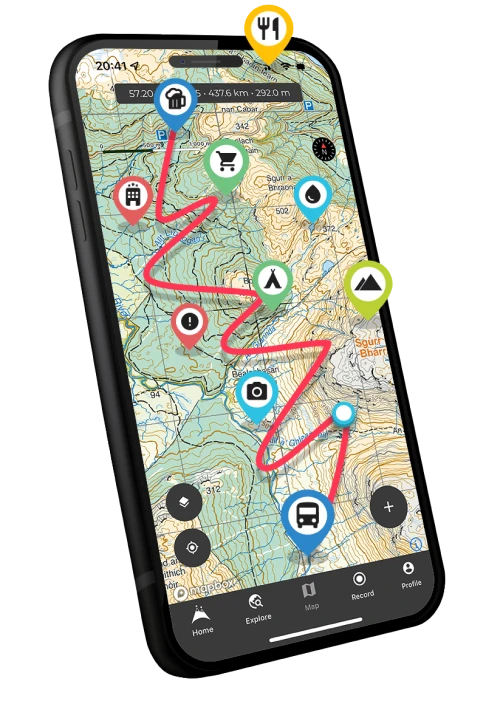
Be prepared for hiking in Armenia with the HiiKER app



Most popular hikes in Armenia


FAQs about hiking in Armenia
Armenia's climate is characterized by distinct seasons, and hikers should consider these when planning their trips. In summer (June to August), temperatures can reach 30 degrees Celsius, making it an ideal time for high-altitude hikes. Spring (April to June) and autumn (September to November) offer moderate temperatures, colorful landscapes, and fewer crowds. Winter (December to February) is cold, with snow-covered trails for winter hiking enthusiasts.
The best time to hike in Armenia depends on personal preferences and the desired trail conditions. Summer is popular for enjoying the pleasant weather and exploring high mountain regions like Dilijan National Park and the Caucasus Mountains. Spring and autumn provide a balance between comfortable temperatures and scenic beauty, particularly in areas like the Tatev region and Lake Sevan. Winter offers opportunities for snowshoeing and skiing, with destinations like Tsaghkadzor and Jermuk catering to winter sports enthusiasts.
To plan your hiking adventure in Armenia, consult resources like the official website of the Armenian Tourism Committee (https://armenia.travel/en) for detailed information on hiking trails, weather conditions, and attractions in different regions of the country. Additionally, consider checking local weather forecasts and seeking advice from local tour operators or visitor centers for up-to-date information on trail conditions and safety guidelines.
When planning a hiking trip in Armenia, it's important to be aware of any permits required for certain areas or activities. The Ministry of Environment of the Republic of Armenia is responsible for managing national parks and protected areas. Contact the ministry or visit their website for information on permits, fees, and regulations. It's advisable to obtain permits in advance to ensure compliance and a smooth hiking experience. Check the official website of the Ministry of Environment (http://www.mnp.am/en) for detailed information on specific permits and regulations.
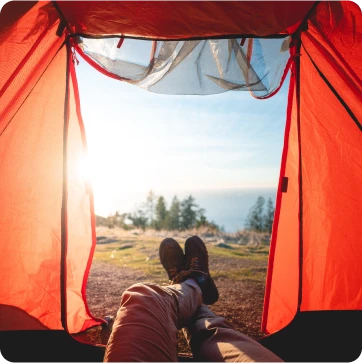
When it comes to wild camping in Armenia, the regulations and legality vary. While wild camping is generally tolerated in remote and unpopulated areas, it's important to be respectful of the environment and local communities. Seek permission from landowners when camping on private land. Check with local authorities, such as the Ministry of Environment (http://www.mnp.am/en), for specific regulations and restrictions in protected areas. Practice Leave No Trace principles and leave the camping area as you found it.

In the event of an emergency while hiking in Armenia, it's important to know who to contact for assistance. The Ministry of Emergency Situations of the Republic of Armenia is responsible for coordinating rescue operations. In case of a mountain rescue or any emergency situation, dial emergency services at 911. Inform local authorities or contact the Ministry of Emergency Situations (http://www.mes.am/en/) for immediate assistance and guidance.
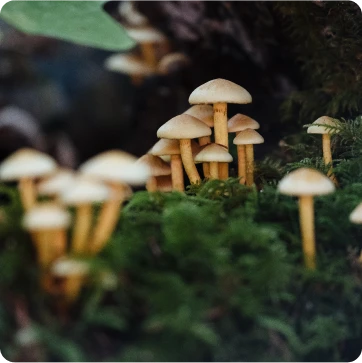
When hiking in Armenia, hikers can expect to encounter a diverse range of flora across the country's landscapes. Forests of oak, beech, and pine trees are common, along with flowering plants like wild tulips, irises, and edelweiss. Alpine meadows showcase various species of wildflowers, while the Ararat Valley is known for its apricot orchards. For more information on the flora of Armenia, consult resources such as the Armenia Tree Project (https://www.armgeo.am/en/flora-of-armenia/).
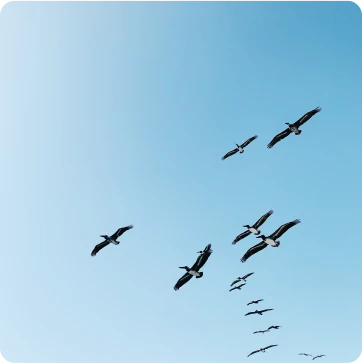
While hiking in Armenia, hikers may encounter a variety of insects and animals in the country's natural habitats. Look out for reptiles like lizards and snakes, including the Armenian viper. Birdwatchers can spot species like the Armenian gull and bearded vulture. Mammals such as brown bears, lynx, and wild boars inhabit the forests and mountains. For more information on the fauna of Armenia, visit the Armenian Society for the Protection of Birds (http://www.aspbirds.org/) and https://www.armgeo.am/en/armenia-fauna/