Download
3D Flyover
Add to list
More
58.1 km
5 days
3280 m
Multi-Day
“Journey through the High Sierra on a scenic, challenging 58 km trek with breathtaking alpine vistas.”
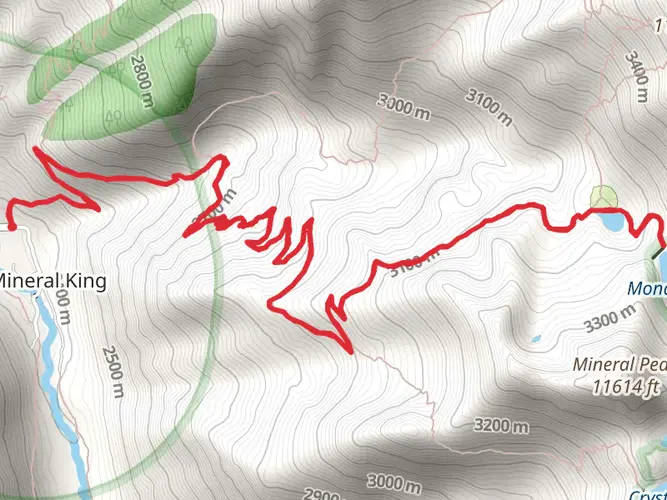
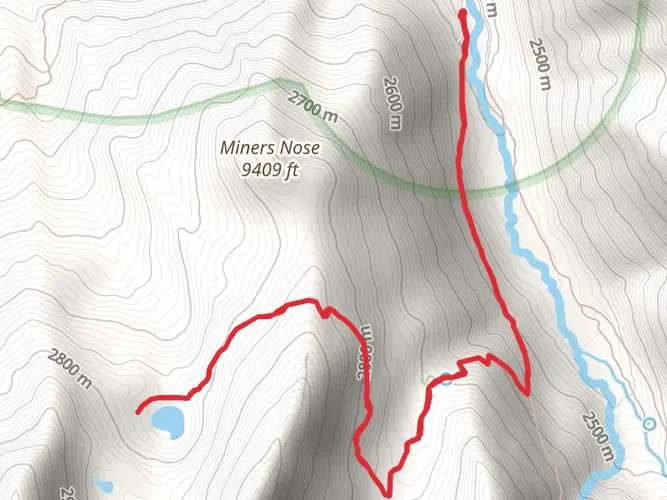
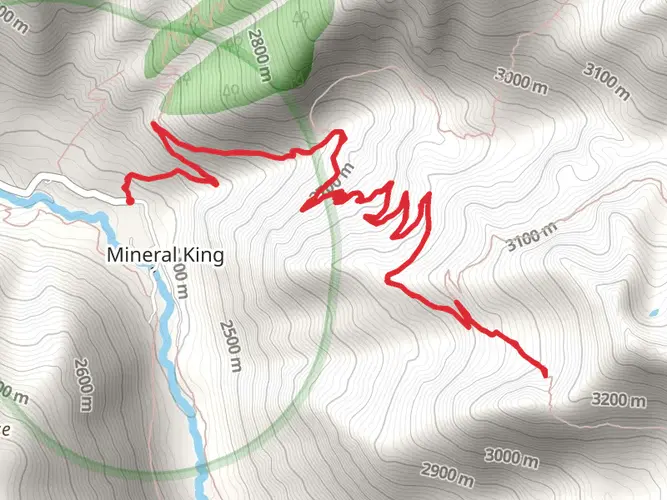
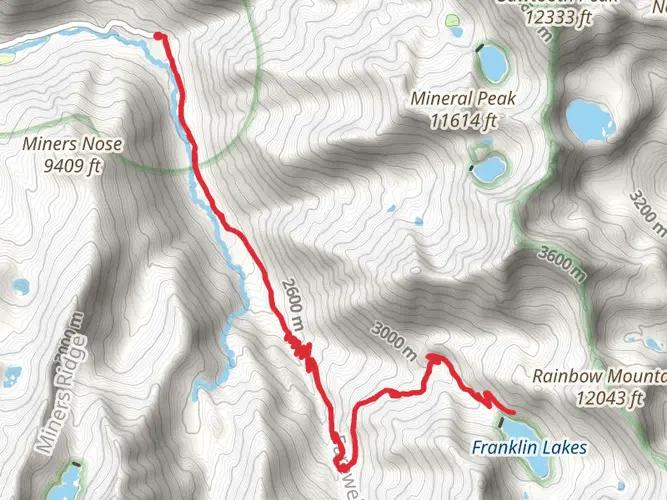
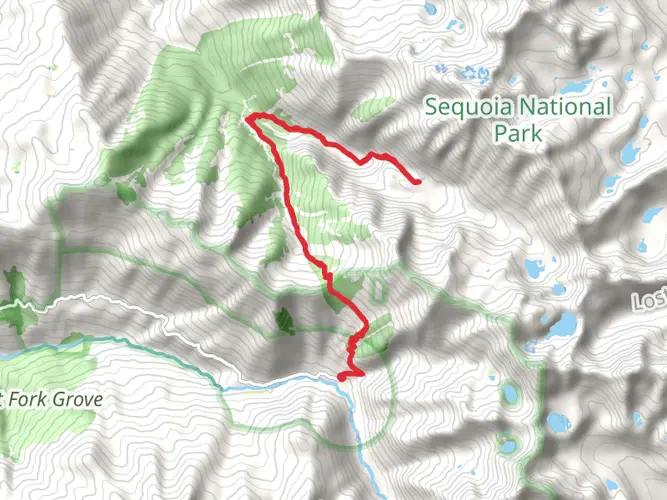
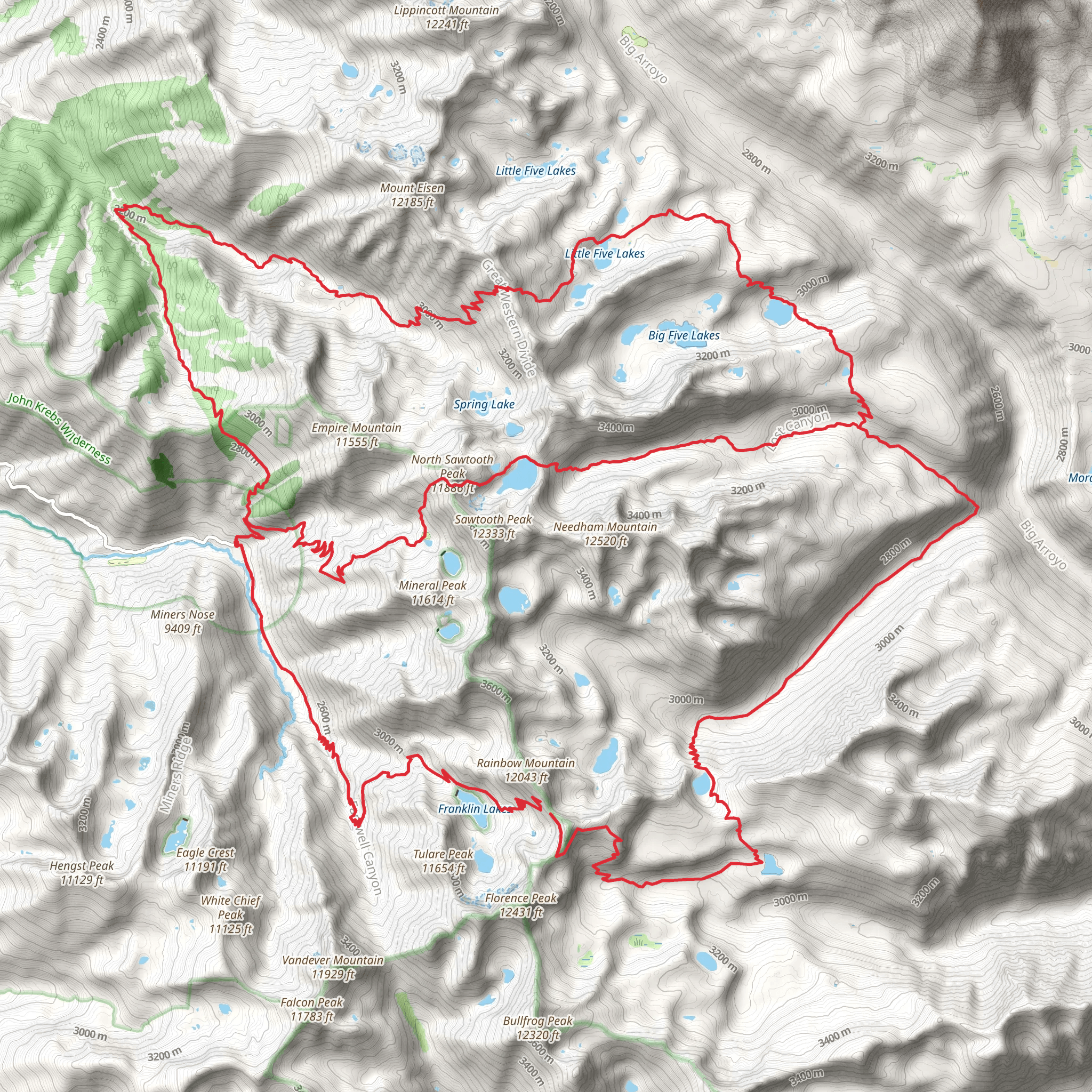
Embarking on the Mineral King and Little Five Lakes Loop, hikers will traverse a challenging yet rewarding 58 km (approximately 36 miles) journey through the southern Sierra Nevada, with an elevation gain of around 3200 meters (roughly 10,500 feet). This loop, starting near Tulare County, California, is a true test of endurance and offers a diverse array of landscapes, from alpine lakes to rugged mountain passes.
Getting to the Trailhead
The trailhead is accessible by car, located at the end of Mineral King Road in Sequoia National Park. From Visalia, take Highway 198 east to Three Rivers, and then follow the signs to Mineral King Road. This winding and narrow road can take over an hour to drive, as it covers 25 miles from Highway 198 to the trailhead. There is no public transportation directly to the trailhead, so a personal vehicle or a rented car is necessary.
Navigating the Trail
Hikers can rely on HiiKER to navigate the trail, ensuring they stay on the correct path throughout the journey. The loop can be tackled in either direction, but many choose to begin with the ascent to Farewell Gap, which is a steady climb from the trailhead.
Landmarks and Natural Beauty
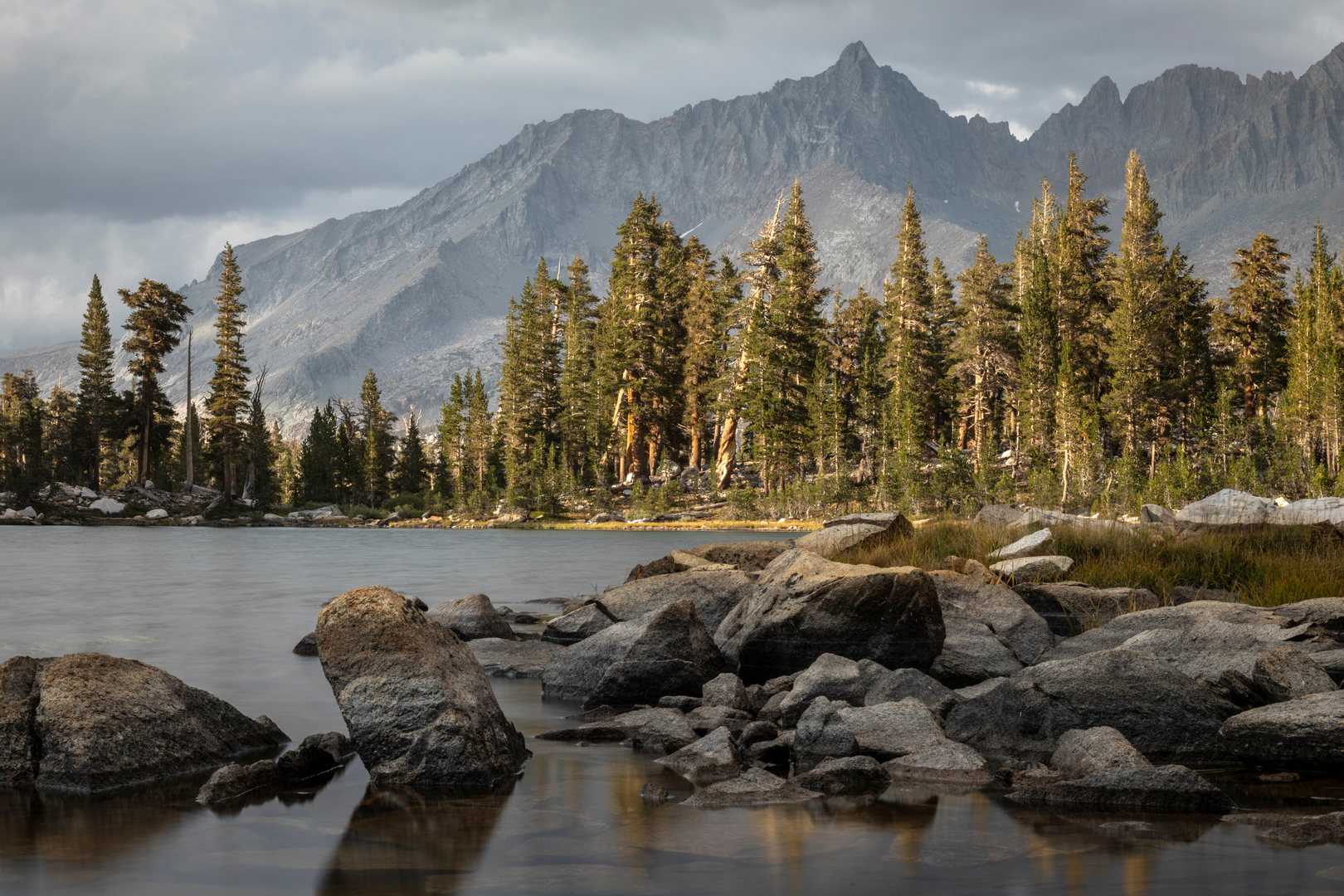
After the initial climb, the trail descends into the Big Five Lakes basin, where hikers are greeted by the stunning alpine scenery. The lakes, nestled among the peaks, offer serene spots for rest and reflection. The trail continues to the Little Five Lakes area, approximately 29 km (18 miles) from the start, which is equally breathtaking and a potential campsite for multi-day trekkers.
The highest point on the trail is Black Rock Pass, at an elevation of around 3,500 meters (11,500 feet), offering panoramic views of the surrounding peaks and valleys. The descent from Black Rock Pass to Cliff Creek is steep and can be challenging, but the vistas are a worthy reward.
Wildlife and Flora
The diverse ecosystems of the loop are home to a variety of wildlife, including marmots, deer, and black bears. Hikers should be bear-aware, storing food properly and keeping a safe distance from wildlife. The trail also winds through groves of foxtail pines, a species that is endemic to the southern Sierra Nevada.
Historical Significance
The region is steeped in history, with the Mineral King area having been used for mining operations in the late 19th and early 20th centuries. While the mines are long gone, the area still holds remnants of this past, and the trail itself is a testament to the natural beauty that drew people here over a century ago.
Preparation and Planning
Due to the trail's difficulty and remote nature, hikers should be well-prepared with adequate supplies, including food, water, and gear for sudden weather changes. The elevation gain and loss require a good level of fitness and acclimatization to high altitudes. It's also important to check trail conditions and obtain any necessary permits from the Sequoia National Park before setting out.
Seasonal Considerations
The best time to hike the loop is from late June to early October when the snow has melted, and the trails are clear. Outside of this window, the high passes can be snow-covered and impassable.
By preparing adequately and respecting the natural environment, hikers can look forward to an unforgettable experience on the Mineral King and Little Five Lakes Loop, immersed in the rugged beauty of the High Sierra.
What to expect?
Activity types
Frequently asked questions
How long is the Mineral King And Little Five Lakes Loop and how many days does it usually take?
The Mineral King And Little Five Lakes Loop is 58.12 km, or about 36.1 miles, with roughly 3,280 m of elevation gain. With that distance and climbing, it is generally treated as a strenuous multi-day backpacking loop, and many hikers split it over about 3 to 5 days depending on pace, camps, and acclimatization.
How difficult is the Mineral King And Little Five Lakes Loop?
The Mineral King And Little Five Lakes Loop is rated Extra Difficult, and the numbers explain why: 58.12 km of travel and about 3,280 m of total ascent. This is a demanding southern Sierra route with long climbs, high-elevation terrain, and enough mileage to require strong fitness, solid backpacking experience, and careful pacing.
Where is the trailhead for the Mineral King And Little Five Lakes Loop and can you drive there?
The loop starts from the Mineral King area at the end of Mineral King Road near Three Rivers in Sequoia National Park. The road is famously narrow, steep, winding, and partly unpaved near the top, so the drive is slow, and RVs and trailers are not advised on the road or allowed in Mineral King campgrounds.
Is there parking at the Mineral King And Little Five Lakes Loop trailhead, and what is the marmot warning?
Trailhead parking is available in the Mineral King area, but parked vehicles there are well known for marmot damage in spring through mid-summer. Marmots have chewed radiator hoses and wiring in this area, so the park recommends physically blocking access under the vehicle, and tarps are sometimes available at the Mineral King Ranger Station.
Do you need a permit for the Mineral King And Little Five Lakes Loop?
Because the Mineral King And Little Five Lakes Loop is a multi-day wilderness trip in Sequoia National Park, an overnight wilderness permit is required for backpacking. Permits for Mineral King trips are issued through the park’s wilderness permit system, and they may be available at the Foothills Wilderness Office or the Mineral King Ranger Station when it is open for the season.
When is the best time to hike the Mineral King And Little Five Lakes Loop?
The usual hiking season is summer into early fall, when Mineral King Road is open and the high country is mostly snow-free. Mineral King closes for the snowy season, and park updates note that the road is seasonally closed in winter; conditions can also shift because of road construction delays and weekday closures during the 2026 work season.
Are dogs allowed on the Mineral King And Little Five Lakes Loop?
Dogs are generally not allowed on wilderness trails in Sequoia National Park, so the Mineral King And Little Five Lakes Loop is not considered a dog-friendly backpacking route. That matters on this loop because it leaves the developed Mineral King area and travels deep into protected backcountry terrain around the Big Five and Little Five Lakes basins.
Comments and Reviews
User comments, reviews and discussions about the Mineral King And Little Five Lakes Loop, California.
5.0
average rating out of 5
4 rating(s)