Download
3D Flyover
Add to list
More
4.3 km
~1 hrs
91 m
Loop
“Wild cliffs, storied coves, and Marconi’s legacy make this a vivid, thought-provoking coastal ramble.”
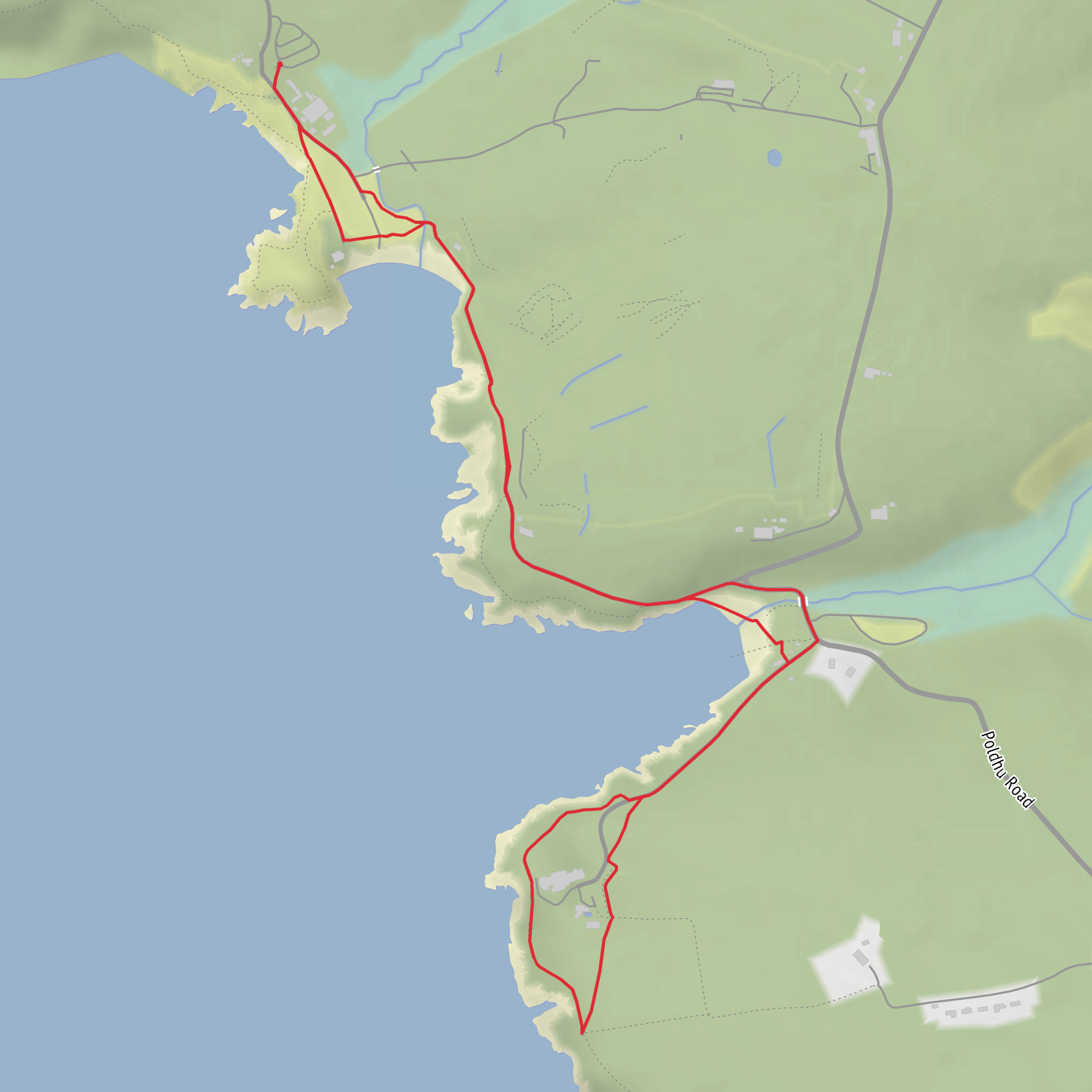
This roughly 4 km / 2.5 mile coastal circuit links two of the Lizard Peninsula’s most characterful coves with one of Cornwall’s most important scientific landmarks. With around 100 m / 330 ft of ascent, it is short enough for a half-day outing but varied enough to feel like a proper cliff walk, with sandy coves, undulating headlands, exposed sea views, and a few steeper rises that justify the medium rating. The route is usually associated with the coast between Gunwalloe Church Cove and Poldhu Cove, near Mullion, Helston, Cornwall, with the most practical start point being the National Trust car park at Gunwalloe, Church Cove, Helston TR12 7QE or the nearby Church Cove area. Poldhu Cove itself is commonly referenced as Poldhu Cove, near Mullion, Helston, Cornwall TR12 7JB. (nationaltrust.org.uk)
From the start near Church Cove, expect a mix of easy walking and short, sharper climbs on the South West Coast Path. The ground is generally straightforward in dry weather, but the cliff path can feel uneven underfoot, especially where roots, rock, or worn coastal turf are exposed. After rain, some sections can become slick and muddy, and the sea-facing edges demand attention in windy conditions. Although the mileage is modest, the route’s repeated ups and downs can make it feel more strenuous than the distance suggests, particularly for walkers carrying beach gear or walking with children. (nationaltrust.org.uk)
What to expect on the route
Church Cove is one of the most distinctive starting points on this stretch of coast. The cove is closely associated with St Winwaloe Church, the medieval “Church of the Storms,” a 13th-century church set unusually close to the sand and long tied to the maritime history of this exposed shoreline. The surrounding landscape also carries evidence of much older occupation, with National Trust information for Gunwalloe highlighting Bronze Age settlement, round barrows dating to around 1110 BC, and an Iron Age fort in the wider area. That means even a short walk here passes through a landscape shaped by thousands of years of human use, from prehistoric communities to seafarers, farmers, and later communications pioneers. (nationaltrust.org.uk)
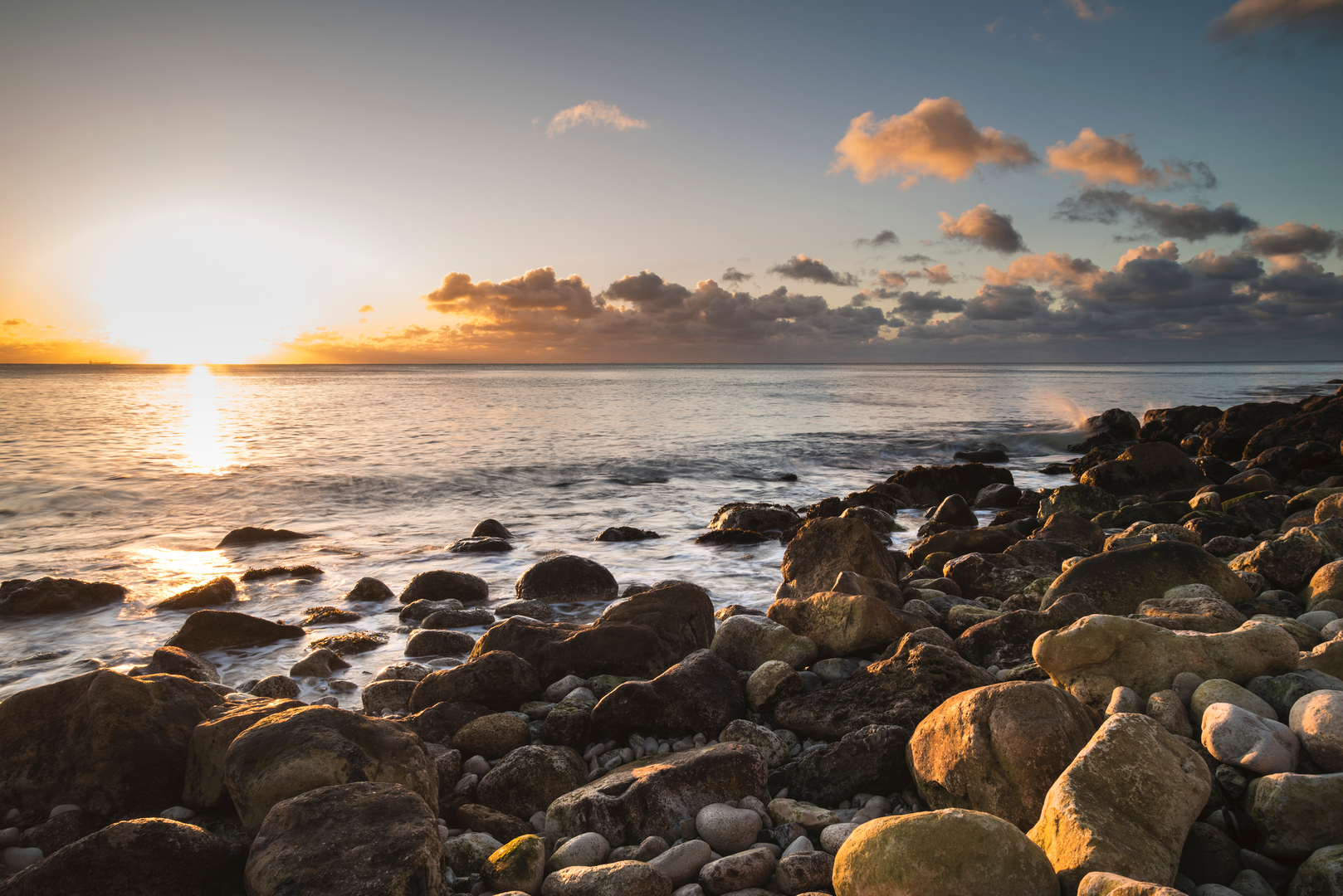
Leaving Church Cove, the path climbs onto open cliff ground where the views broaden quickly. Looking out, you can expect sweeping coastal panoramas, with the Atlantic pressing into the coves below and the headlands breaking the shoreline into a series of dramatic points and inlets. This is a good place to pause and get bearings on HiiKER before continuing, especially if side paths toward beaches or viewpoints tempt you off the main line. The route then trends toward Poldhu, with the walking alternating between grassy cliff-top sections and more compact path surfaces near access lanes and visitor areas. (southwestcoastpath.org.uk)
Poldhu Cove provides a change of character from the more historic feel of Church Cove. It is well known as a beach and surf spot, and the cove is backed by facilities and easier access than some of the wilder inlets nearby. If the tide and weather are lively, expect surf noise and salt spray; in calmer conditions, it can feel much more sheltered and family-oriented. The nearest parking for Poldhu is a short walk from the beach, and National Trust guidance notes the Gunwalloe car park is about half a mile away on foot along the coast path, which helps explain why many walkers combine the two coves in one outing. (nationaltrust.org.uk)
Marconi Monument and historical significance
The standout landmark on this walk is the Marconi Monument above Poldhu Cove. This marks the site of the former Poldhu Wireless Station, from which Guglielmo Marconi’s team transmitted the signal associated with the first transatlantic wireless communication. The key date is 12 December 1901, when the famous “three dots,” representing the Morse letter S, were received at Signal Hill in St John’s, Newfoundland. The monument itself was erected in 1937, and remains of the station’s foundations and earthworks survive in the area. For such a short walk, it is hard to overstate how significant this is: the cliffs above Poldhu were one of the launch points for modern long-distance wireless communication. (marconi-centre-poldhu.org.uk)
The Marconi Centre at Poldhu adds context if it is open during your visit, functioning as a museum and interpretation point for the site’s wireless history. Even if you do not go inside, the monument and surrounding headland give the walk a strong sense of place, connecting the natural drama of the coast with a globally important technological story. (marconi-centre-poldhu.org.uk)
Nature, scenery, and wildlife
This part of the Lizard coast is rich in maritime scenery and seasonal wildlife. The cliff tops support
What to expect?
Surfaces
Asphalt
Dirt
Unknown
Sand
Ground
Grass
Concrete
Wood
Comments and Reviews
User comments, reviews and discussions about the Church Cove, Poldhu Cove and Marconi Monument, England.
average rating out of 5
0 rating(s)
