Download
3D Flyover
Add to list
More
3.1 km
~38 min
19 m
Loop
“Stroll Ross’s elm-lined lanes and riverside, where carved sandstone and convict stories invite gentle reflection.”
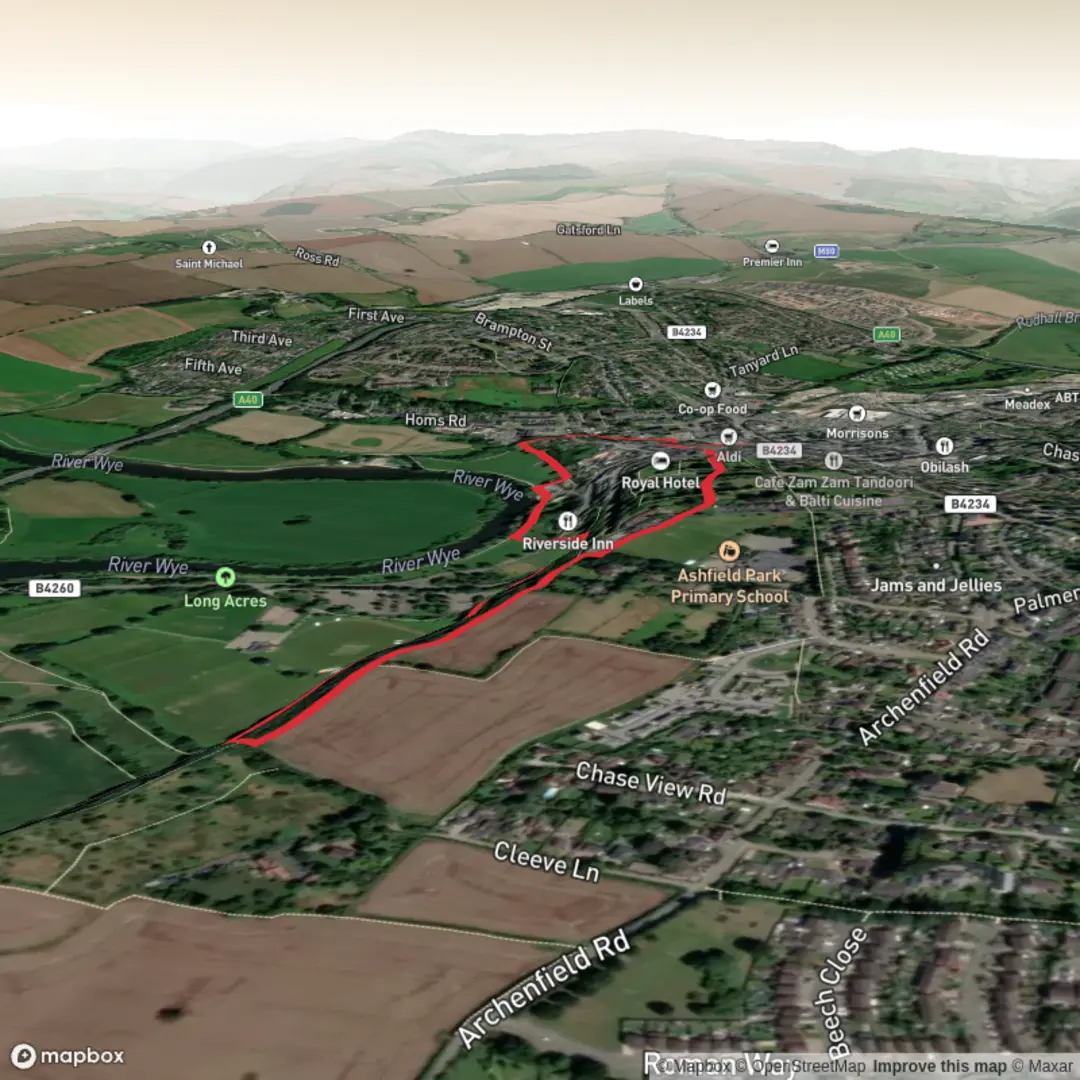
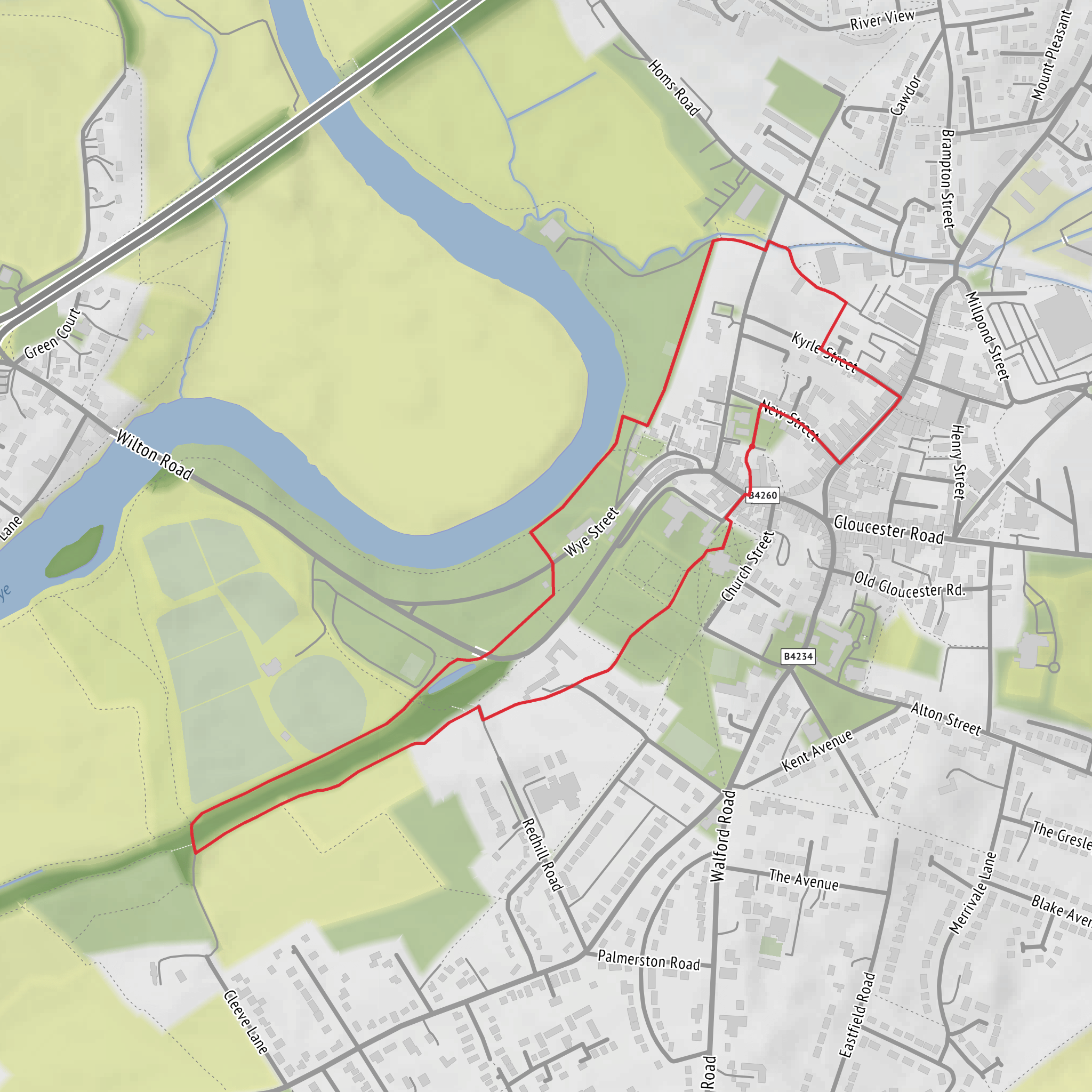
This easy town walk covers about 3 km / 1.9 miles with virtually no climbing, so it suits most walkers looking for a relaxed outing through one of Tasmania’s best-preserved heritage villages. Expect mostly flat streets, riverside paths, and short sections on footpaths or quiet roads, with only gentle undulations rather than any real ascent. Even though the elevation gain is close to 0 m / 0 ft, allow time to stop often, because Ross is packed with historic buildings, carved stonework, old cemeteries, and views over the Macquarie River. Ross is widely recognised for its Georgian streetscape and heritage value, and much of the appeal of this walk comes from slowing down and noticing details rather than covering distance quickly. (nmc.tas.gov.au)
A practical place to begin is near Ross Bridge, Bridge Street, Ross TAS 7209, which is the most obvious landmark and a common starting point for local heritage walks. Parking is available in town, and public toilets are located near the Ross Town Hall on Bridge Street, which is useful before setting off. If arriving by car, Ross sits just off the Midlands Highway (A1) between Hobart and Launceston, making it a straightforward stop on a north–south road trip. Public transport is more limited than in larger Tasmanian towns, so most walkers arrive by car; if using regional bus services, check current timetables carefully before travel because service frequency can change. (nmc.tas.gov.au)
The walk itself is less about rugged terrain and more about atmosphere. From the bridge area, the route naturally threads through the historic core of Ross, where elm-lined streets, sandstone buildings, and old civic structures create a strong sense of 19th-century Tasmania. Surfaces are generally easy underfoot, but comfortable walking shoes are still worthwhile because you may encounter uneven old paving, gravel, grass, and worn edges near heritage sites. In wet weather, riverside grass and unsealed sections can become slick, so a little extra care helps even on such a short route. (nmc.tas.gov.au)
What to expect along the route
One of the standout landmarks is Ross Bridge, completed in 1836. It is one of Australia’s finest sandstone bridges and is especially notable for its carved details, including numerous Celtic-inspired motifs and figures worked into the arches. The bridge was ordered during the colonial period, designed by John Lee Archer, and completed with the involvement of convict stonemasons including Daniel Herbert and James Colebeck. For hikers with an interest in history, this is not just a crossing point but one of the most significant pieces of convict-era craftsmanship in Tasmania. (nmc.tas.gov.au)
From there, many walkers continue past the historic stables and churches toward Church Street, one of the most characterful stretches in town. The churches and surrounding buildings reflect Ross’s role as an important colonial settlement on the route between Hobart and Launceston. The streetscape is compact, so distances between points of interest are short—often only a few hundred metres at a time—making this a good walk for families, casual sightseers, and anyone who prefers frequent stops over sustained effort. (aussiebushwalking.com)
A particularly important stop is the Ross Female Factory Historic Site, corner of Bond Street and Portugal Street, Ross TAS 7209. The site lies just outside the main village centre and is tied closely to Tasmania’s convict history. It operated as a female convict workhouse between 1847 and 1854, and although little remains above ground, it is considered the most archaeologically intact female convict site in Australia. Women held here, sometimes with their babies, were part of a harsh penal system that shaped much of early colonial Tasmania. Walking past this area adds real depth to the route, especially for anyone interested in the human stories behind the town’s elegant appearance. (parks.tas.gov.au)
If the route extends beyond the factory, it may pass older burial grounds and cemetery areas on the edge of town. These sections are quieter and can feel more open than the village centre, with broader views and a stronger sense of Ross as a former service town, garrison settlement, and rural hub. The old headstones and cemetery landscapes also connect to the hardships of travel, flood, labour, and colonial administration in the Midlands. (visitross.com.au)
Nature, scenery, and wildlife
Although this is a heritage-focused walk, the natural setting still matters. Ross sits on the Macquarie River, and the river corridor softens the town’s built character with grassy banks, mature trees, and open water views. Birdlife is often one of the
Surfaces
Unknown
Asphalt
Dirt
Cobblestone
Wood
Comments and Reviews
User comments, reviews and discussions about the Ross Town Walk, England.
average rating out of 5
0 rating(s)