Download
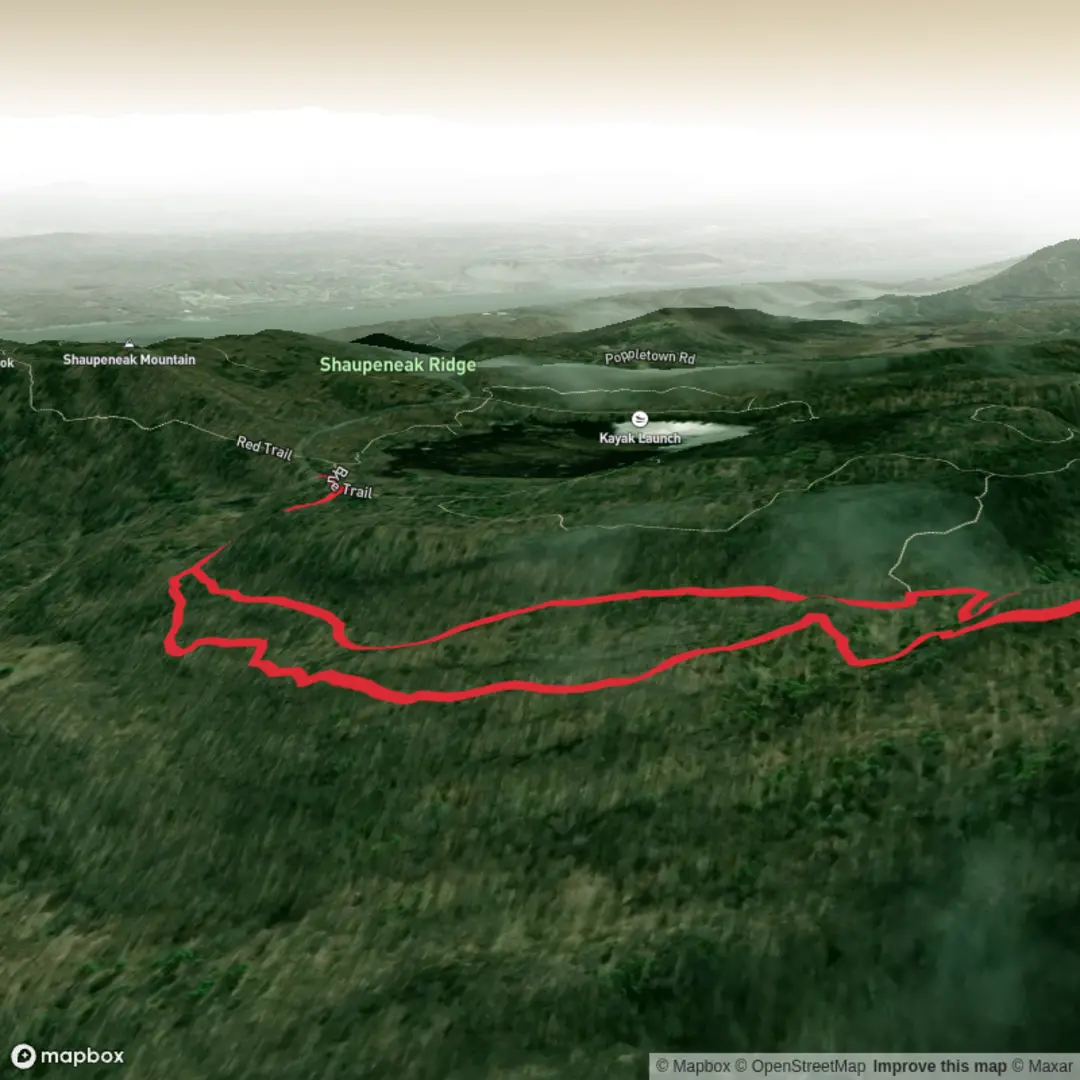
3D Flyover
Add to list
More
3.0 km
~40 min
50 m
Loop
“A gentle woodland loop where Louisa Pond glints through trees, with short rises and lush, muddy greens.”
A short, easy loop-style outing of about 3 km (1.9 mi) with roughly 100 m (330 ft) of climbing, this walk is best planned as a relaxed nature ramble rather than a fitness test. Expect a mix of gentle woodland walking and short rises that account for most of the elevation gain, with plenty of opportunities to pause near the water and along the greener, damper sections where the trail earns its name.
Getting to the trailhead (car + public transport)
Because the start point is only given as “near” and no coordinates are provided, the most reliable way to pinpoint the exact trailhead is to open the route in HiiKER and navigate to the nearest marked access point/parking pull-in shown for the Green Trail by Louisa Pond.
- By car: Plan to drive to the closest signed access/parking area for Louisa Pond (often a small gravel lot, roadside pull-off, or a park-style lot depending on the managing agency). Arrive early on weekends—pond-side trails tend to fill up quickly when weather is good.
- By public transport: If there’s service to the nearest town or park entrance road, you’ll typically still need a last-mile option (rideshare/taxi) to reach the actual trail access. Use HiiKER to identify the closest road crossing or trailhead and then match that to the nearest bus stop/rail station in your maps app.
If you share a lon/lat for the start, I can convert it to the nearest known address or prominent landmark and tailor the directions precisely.
What the hike feels like underfoot - Grade and effort: With ~100 m (330 ft) of gain over 3 km (1.9 mi), the climbing is noticeable but brief—usually concentrated in one or two short inclines rather than a sustained ascent. Most hikers will find it comfortably “Easy,” with the only caveat being footing in wet areas. - Surface: Expect typical pond-and-woods conditions: packed dirt, leaf litter, occasional roots, and potentially muddy patches where drainage is poor. After rain or snowmelt, the greenest sections can also be the slickest. - Footwear: Light hikers or trail runners are fine in dry conditions; choose shoes with decent tread if it’s been wet. If you dislike mud, consider gaiters in shoulder seasons.
Landmarks and natural highlights to watch for - Louisa Pond shoreline views: Even on a short route, the pond is the main “anchor” feature—look for small openings through trees where the water appears suddenly, and for calmer coves that attract birds. - Wetland edges and “green” corridors: The most vibrant mosses, ferns, and moisture-loving plants tend to cluster where the trail skirts low ground. These areas are beautiful but can hide soft spots—step on the most compacted tread and avoid widening the trail around mud. - Seasonal color: Spring brings fresh understory growth; summer is dense and shady; fall can be spectacular with leaf color and clearer sightlines through the woods.
Wildlife and what to look out for - Birdlife: Ponds commonly draw waterfowl and songbirds. Early morning and late afternoon are usually the most active times. - Amphibians: Damp trail margins can mean frogs/salamanders, especially in spring. Watch your step on narrow, wet sections. - Insects: Near water, mosquitoes and biting flies can be intense in warm months—pack repellent and consider long sleeves. - Larger mammals: Depending on the region, you may encounter deer and smaller mammals. If you’re in bear country, carry food securely and follow local guidance.
Navigation and on-trail pacing
For a 3 km (1.9 mi) route, most hikers will take 45–90 minutes depending on stops and conditions. Keep HiiKER open to confirm junctions—pond-area trail networks sometimes have short spurs, social paths, or intersecting loops that can be confusing without a track. If the trail is unsigned at a fork, default to the most worn tread and verify against HiiKER before committing.
Safety and comfort notes - Mud and slick roots: The biggest “gotcha” on easy pond trails is slipping rather than getting lost. Slow down on shaded, damp stretches. - Ticks: In many parts of the U.S., ticks are a real concern in brushy edges—use repellent, do a post-hike check, and stay centered on the tread. - Water proximity: If you’re hiking with kids or dogs, keep an eye on steep or undercut banks and any slippery rocks near the shoreline.
Historical significance (how to think about it on the ground) Pond-and-forest landscapes in much of the U.S. often reflect layers of human use—Indigenous presence and travel corridors, later logging or small-scale industry, and then conservation/recreation management. Around ponds, you may notice: - Old cut stumps, straight-edged stonework, or faint berms that hint at past logging, drainage, or trail/road building. - Place names (like “Louisa”) that can reflect local settlement history or commemorations.
If you tell me which state/park/forest Louisa Pond is in (there are multiple “Louisa Pond” locations), I can add accurate, location-specific history (Indigenous nations connected to the area, land-use history, and any notable events) and describe the exact landmarks you’ll pass in order.
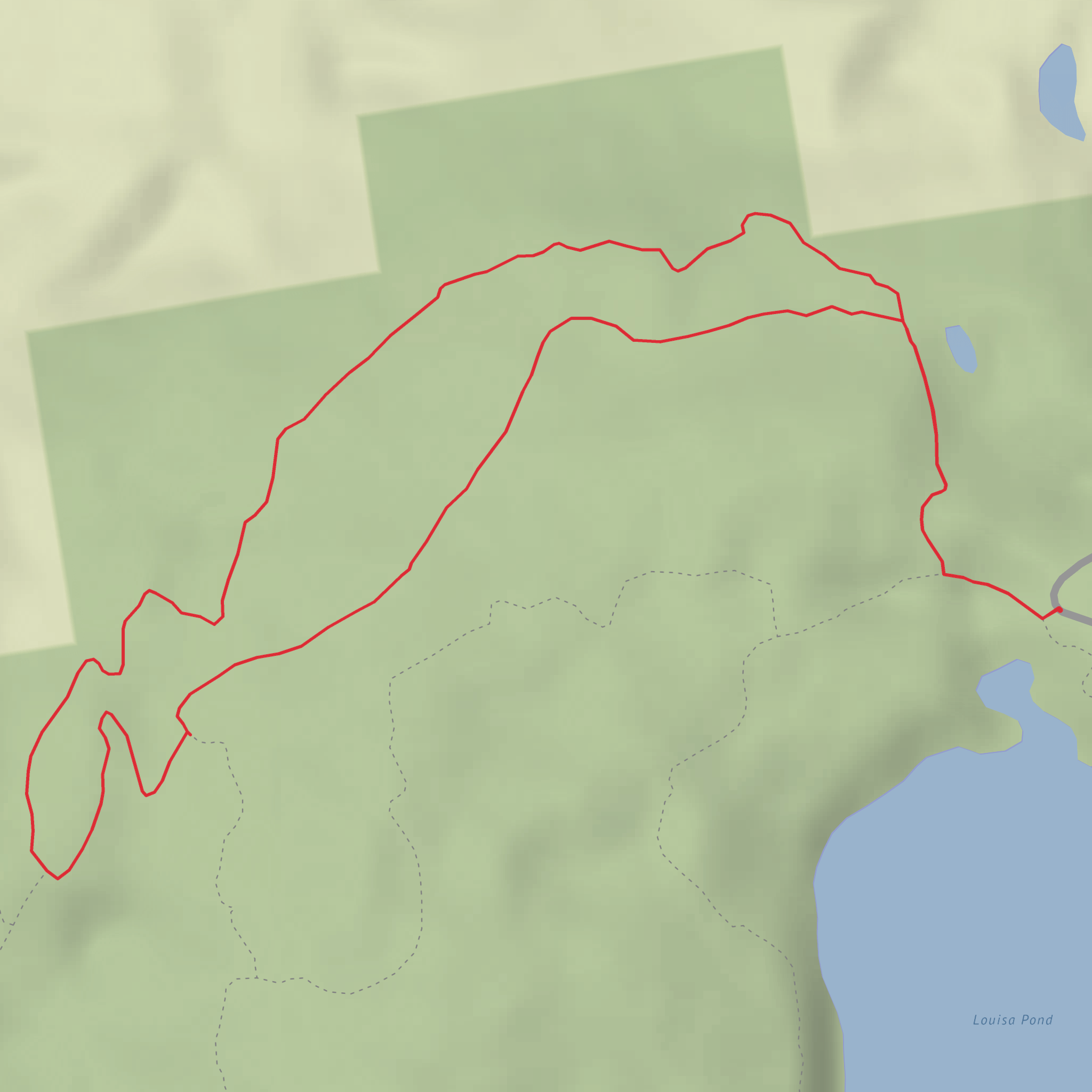
Surfaces
Dirt
Unknown
Comments and Reviews
User comments, reviews and discussions about the Green Trail Near Louisa Pond, New York.
average rating out of 5
0 rating(s)
