Download
3D Flyover
Add to list
More
7.6 km
~1 hrs 54 min
233 m
Loop
“A lush, tunnel-laced ramble reveals mossy aqueducts, murmuring streams, and São Miguel’s haunting Janela do Inferno.”
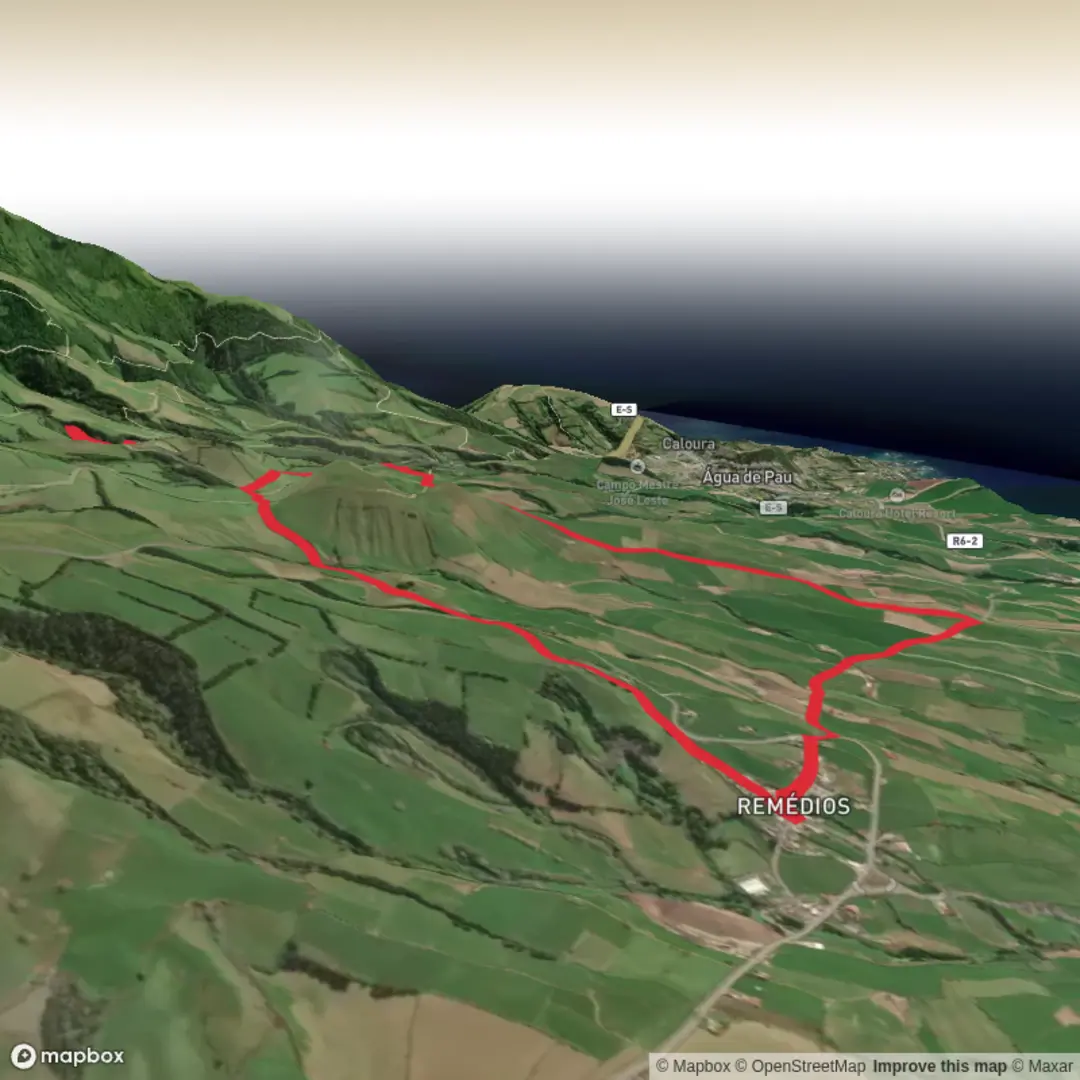
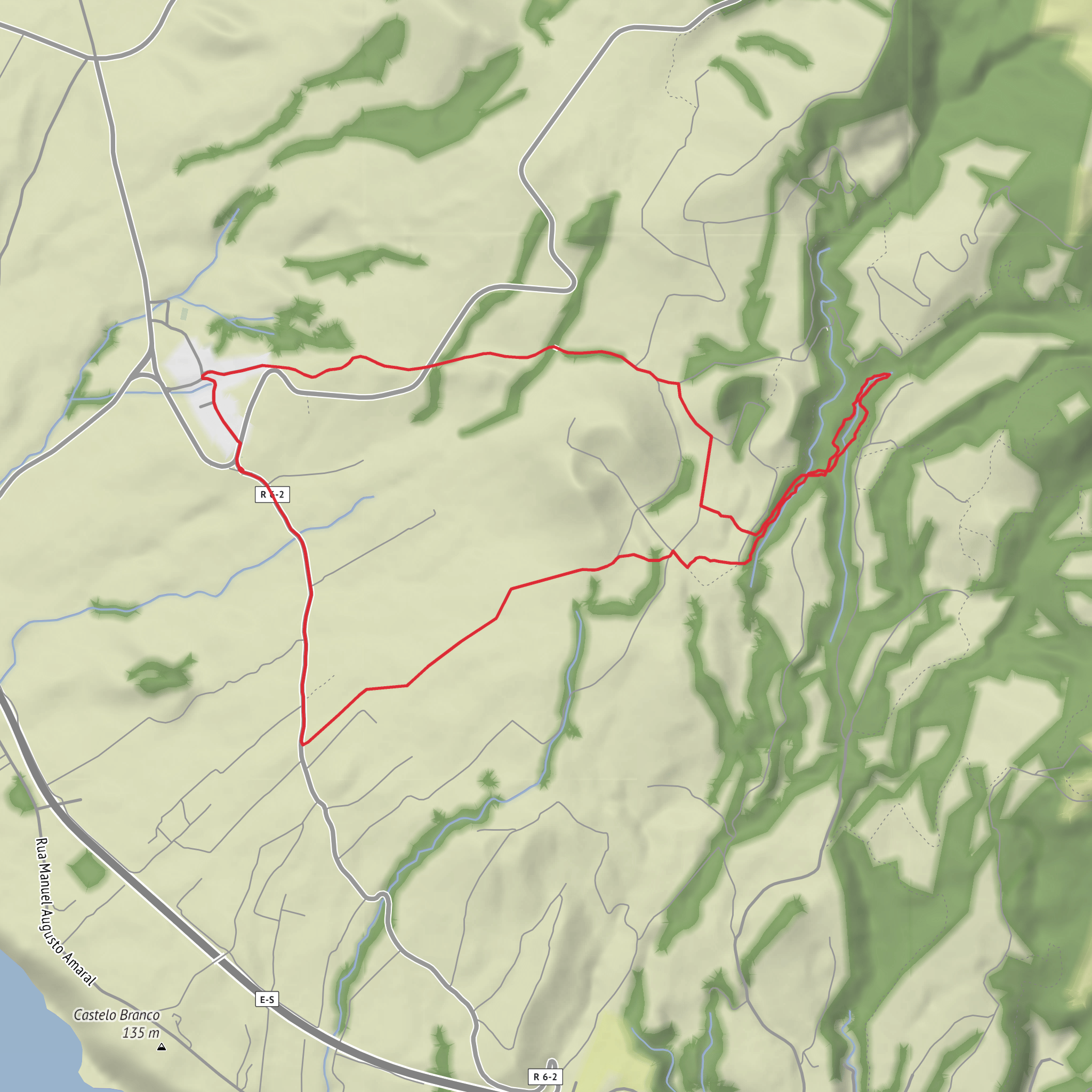
This roughly 8 km / 5 mile circular walk on São Miguel is a varied, mid-length route that combines waterworks heritage, short tunnel sections, streamside scenery, and one of the island’s most unusual geological features. The official trail length is about 7.6 km / 4.7 miles, and it is commonly walked in around 2.5 hours, though most hikers will want extra time for photos, tunnel crossings, and pauses at the main viewpoint area. The route starts at Casa da Água – Trail Point in Remédios, Lagoa, beside the Remédios picnic area and close to the Ermida de Nossa Senhora dos Remédios, which is the nearest clear landmark for navigation. (trails.visitazores.com)
Although you’ve listed the difficulty as medium, the official Azores trail listing grades it as easy; in practice, many hikers will find it sits somewhere between the two because the distance is modest, but the route includes uneven ground, damp sections, streamside footing, and several tunnels where a torch is recommended. Expect around 200 m / 656 ft of ascent overall, with the climbing spread out rather than concentrated into one long haul. (trails.visitazores.com)
The walk begins by descending past the picnic area and following a secondary road before turning onto a rising dirt track. Early on, the route opens views back toward Lagoa and Ponta Delgada on São Miguel’s south coast, giving a good sense of how quickly the trail leaves settled ground behind and enters a greener, more enclosed landscape. From there, the path crosses a watercourse, reaches the first tunnel, and continues toward the Ribeira Seca valley. (trails.visitazores.com)
What the route feels like
This is a hike of contrasts rather than constant panoramas. One moment you are on farm access tracks or old service paths, and the next you are moving through humid vegetation beside running water and historic aqueduct structures. The tunnels are a defining part of the outing: they are not just curiosities, but reminders that this landscape has long been shaped by the capture and movement of water. Because of that, sturdy footwear with grip is more useful here than lightweight road shoes, especially after rain when mud and slick stone can make the footing less predictable. The official trail information specifically advises carrying a flashlight for the tunnel crossings. (trails.visitazores.com)
The signature landmark is Janela do Inferno, a vertical wall marked by springs and an erosional cavity formed by water. It is the visual and geological centerpiece of the route, and the setting tends to feel cooler, wetter, and more enclosed than the opening section of the hike. At its base is a natural pool where the official trail description notes the presence of newts in different life stages. (trails.visitazores.com)
Landmarks, nature, and wildlife
The most important man-made features are the aqueducts and water-collection structures along the Ribeira Seca. On the return leg, the trail uses the opposite bank and passes a sequence of substantial aqueducts that once supplied the old alcohol factory of Lagoa and today still form part of the municipality’s public water supply system. That gives the route unusual historical depth: this is not just a scenic ravine walk, but a path through infrastructure that helped support local industry and continues to matter in everyday life. (trails.visitazores.com)
Vegetation is typically lush, with dense green slopes, mossy edges, and moisture-loving plant life encouraged by the stream corridor and frequent springs. The enclosed valley sections can feel almost subtropical, especially in damp weather. Wildlife sightings are usually small-scale rather than dramatic: amphibians around the pool near Janela do Inferno are one of the notable highlights, and birdlife is often more noticeable by sound than by sight in the wooded stretches. The stream environment also means insects can be more active in warm, still conditions. (trails.visitazores.com)
Near the end of the route, the trail reaches a viewpoint toward Ponta Delgada, then passes through the parish of Remédios on the way back to the start. If time allows, the nearby Ermida de Nossa Senhora dos Remédios adds a cultural stop to the day. Sources on local heritage describe it as one of the emblematic religious monuments of Lagoa, with origins dating back to the late 15th or early
Surfaces
Ground
Dirt
Unknown
Concrete
Asphalt
Comments and Reviews
User comments, reviews and discussions about the Rota da Água and Janela do Inferno, Portugal.
average rating out of 5
0 rating(s)
