Download
3D Flyover
Add to list
More
22.5 km
~5 hrs 49 min
793 m
Loop
“From tranquil Loch Muick shores to Broad Cairn’s wild granite heights, this loop feels gloriously untamed.”
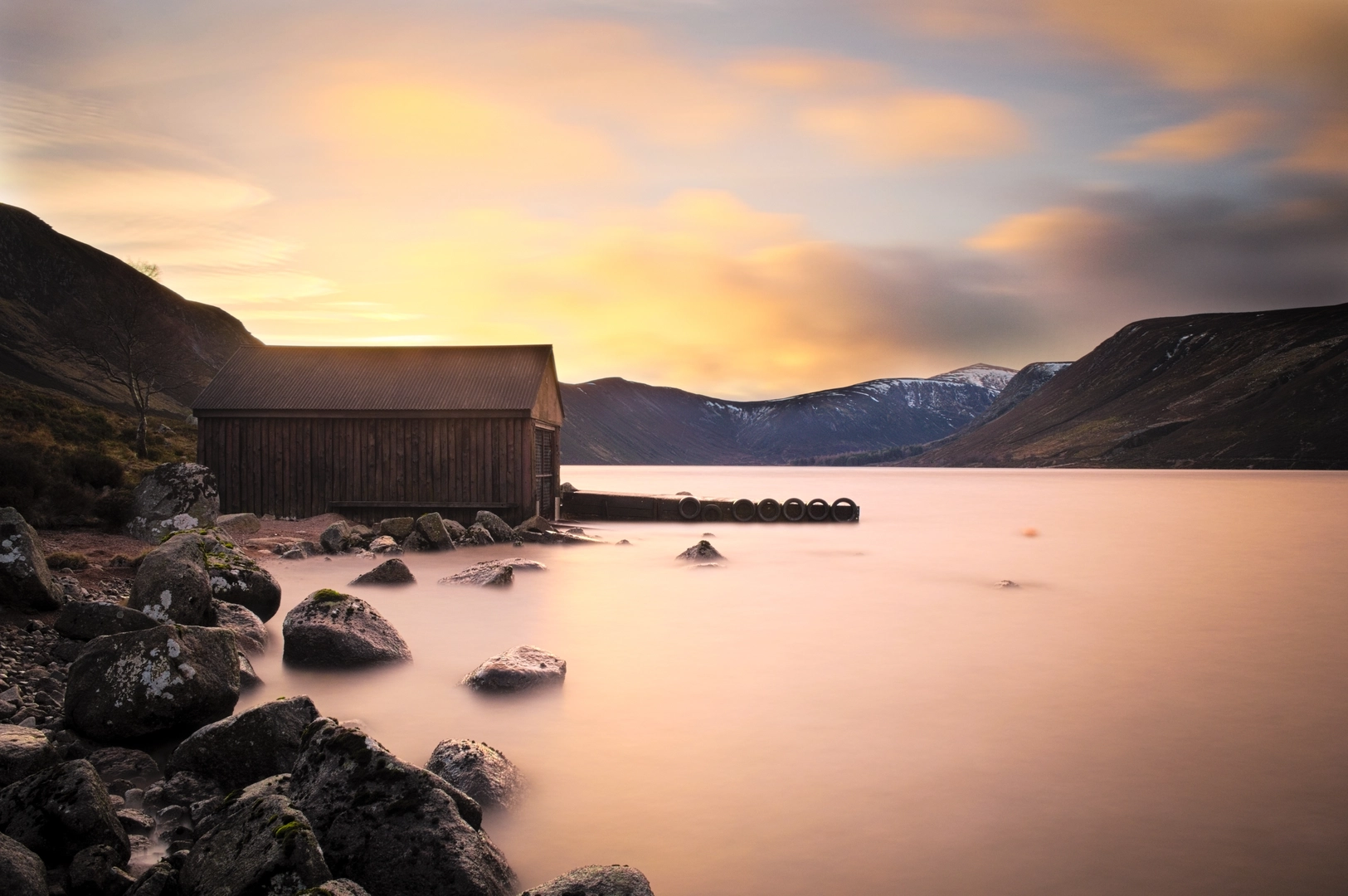
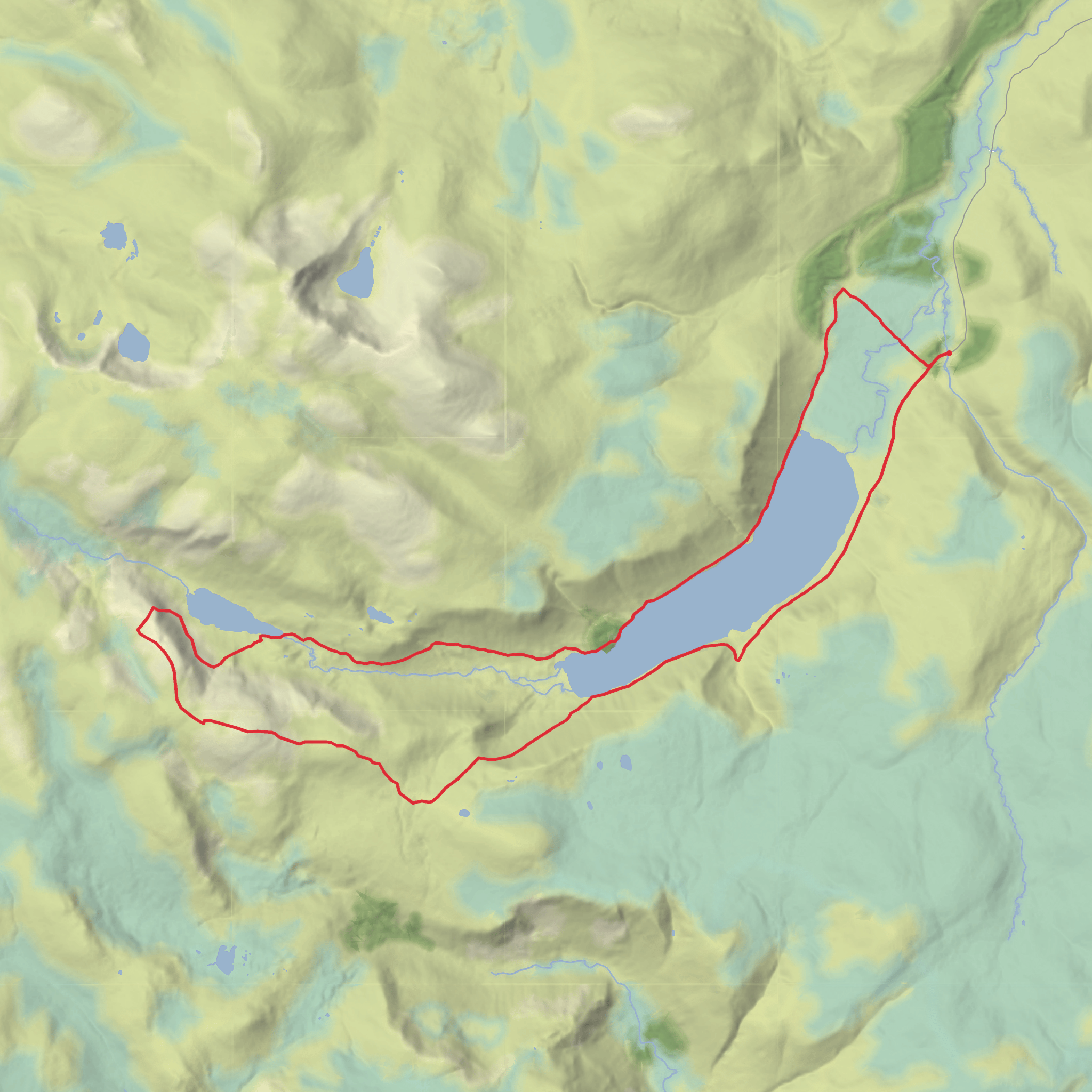
This is a big Cairngorms circuit that combines an easy-going lochside start with a much more serious mountain middle section, linking Loch Muick, Dubh Loch and the broad granite summit of Broad Cairn in a loop of about 22 km / 13.7 miles with roughly 800 m / 2,625 ft of ascent. The route begins at the Spittal of Glenmuick car park and visitor area, the main trailhead at the south end of the public road through Glen Muick on the Balmoral Estate, southwest of Ballater. The setting is immediately impressive: a long freshwater loch hemmed in by steep hills, open moorland, and the high White Mounth plateau beyond. (alltrails.com)
The first few kilometres are usually the gentlest. From the Spittal of Glenmuick area, the route heads past the visitor facilities and follows the shore of Loch Muick on clear estate paths and tracks. This opening section is a good warm-up, with only modest climbing while the loch stretches ahead and the surrounding mountains begin to dominate the skyline. Loch Muick itself lies within the Balmoral Estate and the eastern Cairngorms, and it is one of the best-known access points for walking in this part of the national park. (alltrails.com)
As the route progresses toward the head of the loch, the character changes. The terrain becomes wilder and more exposed, and the climb toward Dubh Loch and Broad Cairn starts to feel much more like a mountain day than a lakeside walk. Dubh Loch sits in a darker, more dramatic basin beneath steep surrounding slopes, and this part of the route is often one of the visual highlights. The loch receives water from the Allt an Dubh Loch, and the enclosing hills give the area a remote, almost corrie-like feel despite the relatively accessible start. (en.wikipedia.org)
Terrain and route character
Expect a mixed surface throughout the day. The lochside sections are generally on good paths or estate tracks, but the higher ground is rougher and more committing. Beyond Broad Cairn and around the Dubh Loch side of the loop, path definition can become faint or disappear in places, with boggy ground, stony sections, and uneven mountain terrain requiring careful line choice. This is where the route earns its medium rating: it is not especially technical in dry, calm summer conditions for experienced hillwalkers, but it is long enough and wild enough that poor weather can raise the seriousness quickly. (alltrails.com)
The main climb builds steadily rather than all at once. After the easier loch approach, the ascent toward Broad Cairn gains most of the day’s elevation over open hillside and higher mountain ground. Broad Cairn reaches 998 m / 3,274 ft and is known for its granite outcrops and wide views. From the summit area, the outlook can extend across the White Mounth, with Loch Muick far below and the surrounding Munros spreading out in multiple directions. (walkhighlands.co.uk)
Because this is a long loop with sections of less distinct trail, solid navigation matters. HiiKER is the best tool to have loaded before setting out, especially for tracking the line between the obvious lochside paths and the rougher upland sections where visibility can drop quickly in mist. Even on a clear day, the broad Cairngorm terrain can make distances feel deceptive. (alltrails.com)
Landmarks, scenery and wildlife
One of the most notable landmarks on the lower part of the route is Glas-allt-Shiel, the lodge built for Queen Victoria after Prince Albert’s death and used as a more private retreat than Balmoral Castle. It sits above the loch and adds a strong historical note to the walk, tying the landscape to the royal history of Deeside. The wider Glen Muick and Loch Muick area has long been associated with the Balmoral Estate, and that connection still shapes the character of the glen today. (walkhighlands.co.uk)
Nature is a major part of the appeal here. Around Loch Muick and the surrounding hills, hikers may see red deer, especially on quieter slopes and open glen sides, while the uplands can support species such as mountain hare and moorland birds. VisitScotland also notes wildlife in the area including grouse and deer. The vegetation changes noticeably with height: lower sections feel greener and more sheltered, while the upper mountain ground becomes more austere, with heather, rock, and exposed plateau terrain. (sobt.co.uk)
The scenery also reflects the geology and glacial history of the Cairngorms. The White Mounth is a landscape of broad high plateaus
Surfaces
Unknown
Gravel
Dirt
Wood
Comments and Reviews
User comments, reviews and discussions about the Loch Muick, Dubh Loch and Broad Cairn Loop, Scotland.
average rating out of 5
0 rating(s)
