Download
3D Flyover
Add to list
More
9.9 km
~2 hrs 51 min
524 m
Out and Back
“A steep, heather-clad Highland climb with sea-to-summit drama and a wilder feel than expected.”
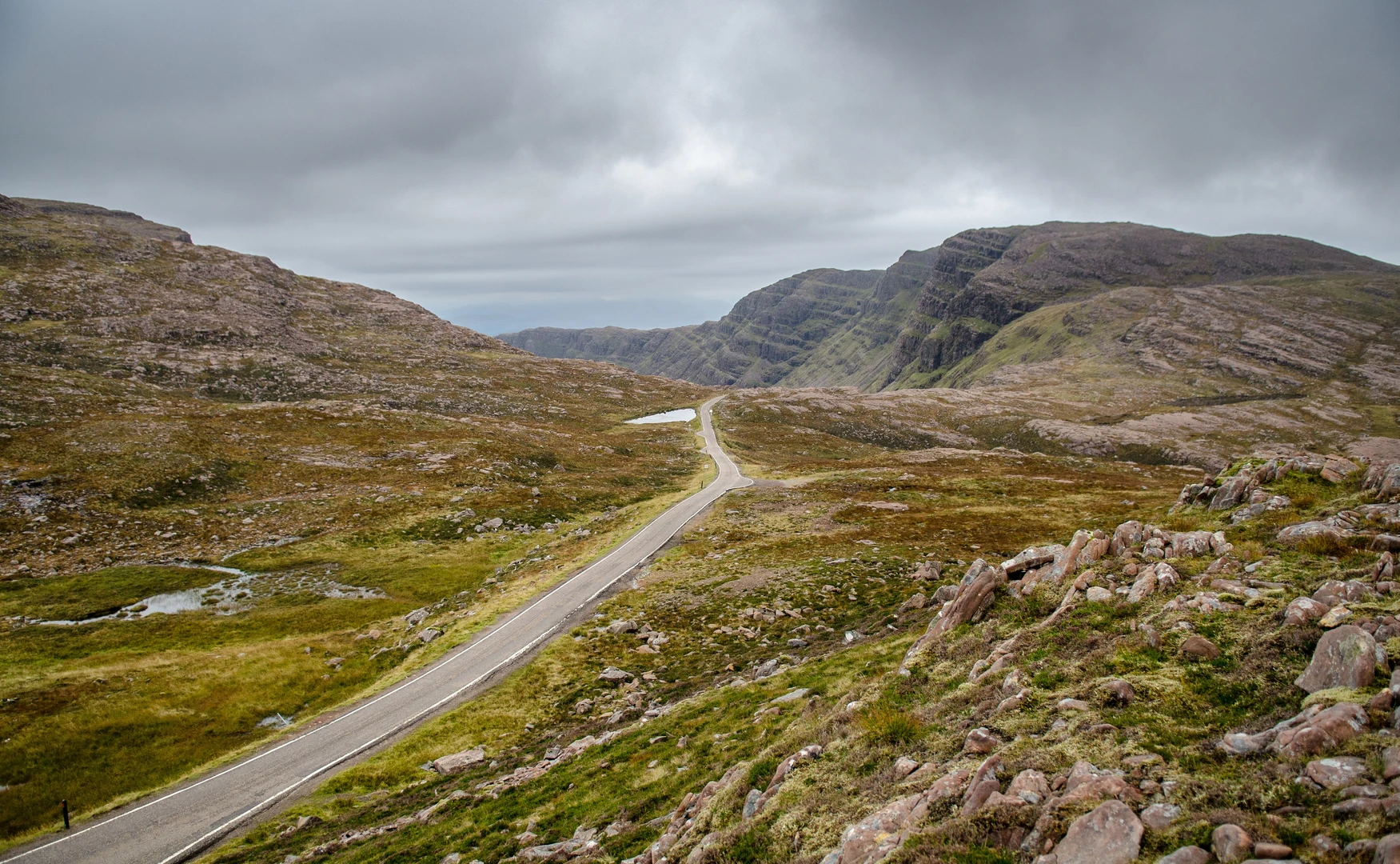
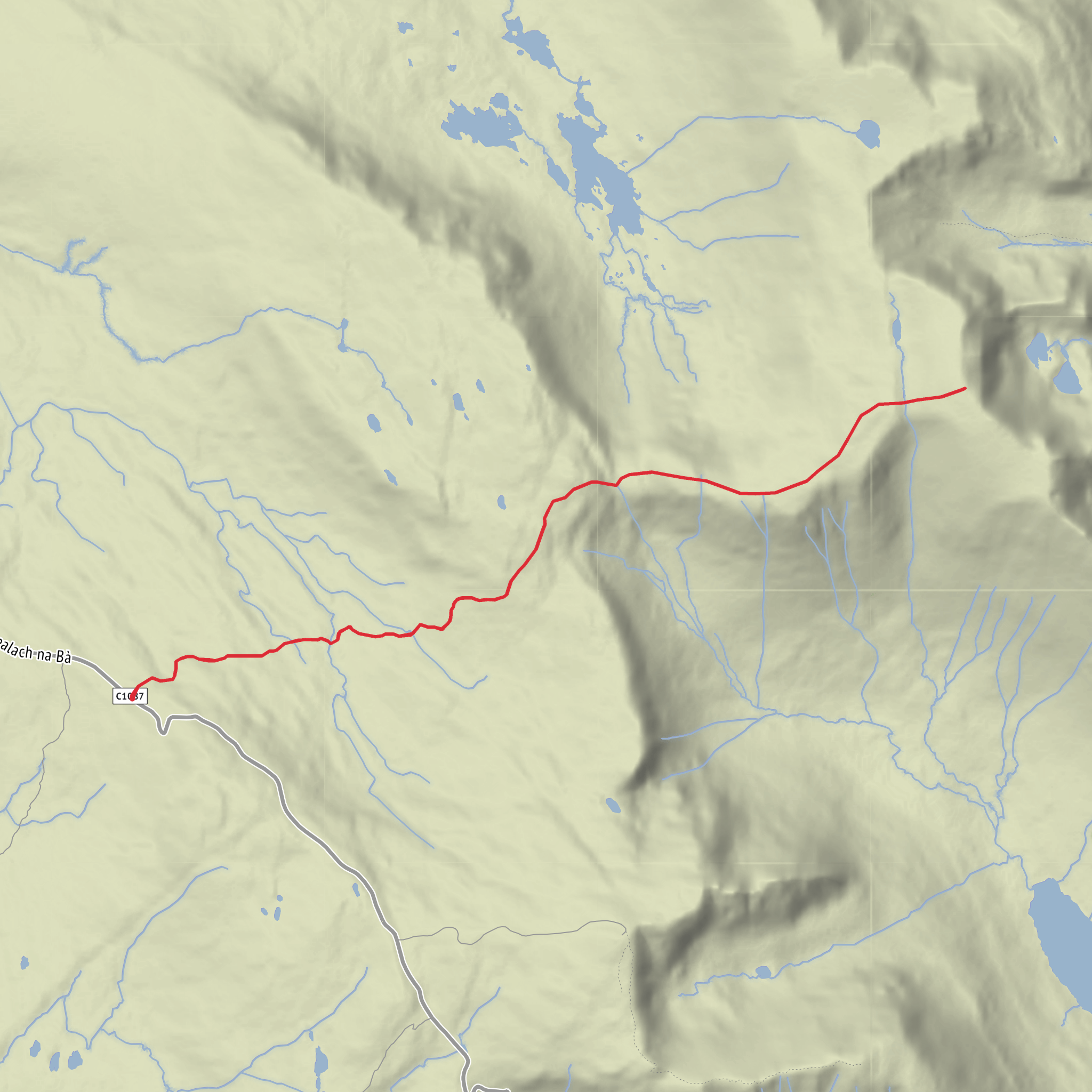
This roughly 10 km / 6.2 mile out-and-back on Beinn Bhan is a short Highland mountain day with a surprisingly serious feel. Although the distance is modest, the climb of about 500 m / 1,640 ft is concentrated enough to make the route feel steeper and more committing than the numbers suggest, especially if the ground is wet or visibility drops. The usual start is near the roadside parking area by the bridge at Drochaid Mhòr on the Applecross–Kishorn road (A896), close to Kishorn, Strathcarron IV54 8XA area, on the north side of Loch Kishorn. From there, the route heads away from the road and climbs directly onto the heathery ridge of Beinn Bhan. (walkhighlands.co.uk)
The first section is straightforward in concept but not always in footing. After crossing the bridge and following the road briefly, the route leaves the tarmac and begins a direct ascent up open hillside. There is no consistently clear built path on the ridge, and the climb is steep from the outset, with heather, rough grass, and uneven ground underfoot. This is where the “medium” rating makes sense: it is not technical in dry, clear conditions, but it does demand steady uphill effort, good pacing, and competent navigation. Hikers should expect the ascent to feel more like a mountain route than a casual hillwalk. Using HiiKER for route tracking and offline mapping is a sensible precaution here. (walkhighlands.co.uk)
What the route feels like
As height is gained, the views open quickly over Loch Kishorn and toward the dramatic surrounding peaks. The ridge continues to rise above Coire Each, and the terrain gradually becomes more open and more exposed. In clear weather, this is one of the route’s great rewards: the mountain gives broad sightlines over the Applecross peninsula, the sea, and the larger Torridon landscape. Walkhighlands notes that the ridge can be followed near cliff edges for especially dramatic views, but that extra care is needed in poor visibility, which is important because the upper mountain has a broad, more confusing feel once cloud comes down. (walkhighlands.co.uk)
Near the higher ground, the character changes from steep grassy-heathery climbing to a more expansive summit area. The summit itself has a trig point and shelter, and on a clear day the panorama reaches west to Raasay, Skye, Rum, and even the Outer Hebrides, while eastward the Torridon hills dominate the skyline. Even on a shorter out-and-back, the sense of space is one of the route’s defining features. Wind exposure can be significant on the upper ridge and plateau, so extra layers are worth carrying even in fair weather. (walkhighlands.co.uk)
If your version of the walk truly is an out-and-back rather than a fuller circuit, most parties will simply retrace the ascent route. That means the descent deserves as much attention as the climb: steep heather, slick grass, and loose footing can be tiring on the knees and awkward after rain. Trekking poles can help on the way down, and boots with reliable grip are preferable to lighter trail shoes unless conditions are very dry.
Landmarks, scenery, and natural interest
Beinn Bhan is known for its striking corries and escarpments. From the ridge, there are impressive views into Coire na Poite and other deeply cut hollows on the mountain’s eastern side, with crags and lochans adding a much wilder character than the relatively simple ascent line suggests. The surrounding landscape has been heavily shaped by glaciation, and the area around Applecross is noted for classic Highland landforms including hanging valleys, U-shaped valleys, screes, and glacially carved slopes. (walkhighlands.co.uk)
This mountain also lies within the Beinn Bhan Site of Special Scientific Interest, designated for its important habitats and natural features. NatureScot notes that the area includes sensitive upland vegetation, including prostrate juniper heath and Atlantic liverwort communities, both of which recover slowly from damage. That matters for walkers because it is a place where careful foot placement and avoiding unnecessary trampling really do make a difference. (nature.scot)
Wildlife sightings can vary widely, but the wider Applecross area is well known for species such as golden eagles, otters, seals, and other coastal and upland wildlife. On the hill itself, birds of prey are among the most memorable possibilities, especially in quieter conditions, while the lower slopes and nearby coast add to the area’s biodiversity. Deer may also be seen on the open ground. As always in the Highlands, midges can
Comments and Reviews
User comments, reviews and discussions about the Beinn Bhan Out and Back, Scotland.
average rating out of 5
0 rating(s)