Download
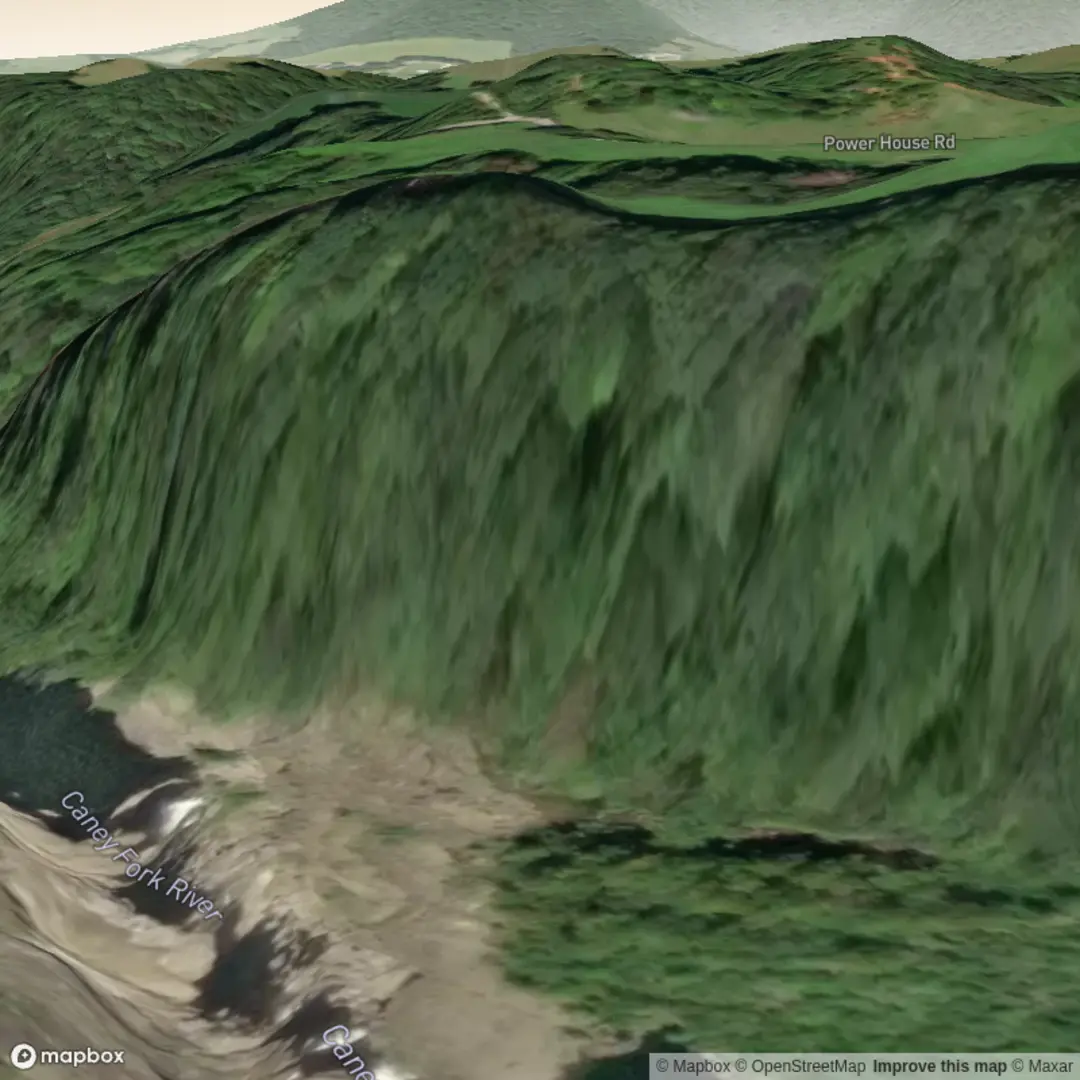
3D Flyover
Add to list
More
296 m
~5 min
15 m
Out and Back
“Great Falls pairs thunderous cascades with woodland calm on a flexible walk demanding steady footing.”
This outing near Great Falls is best approached as a scenic walking route rather than a mileage-focused hike, with the main appeal coming from dramatic river views, short connecting paths, overlooks, and the chance to explore one of the most striking waterfall landscapes in the Washington, D.C. region. With the distance and elevation not firmly defined, it helps to plan for a flexible walk of roughly 1 to 5 km (0.6 to 3.1 miles) depending on how many overlooks, side paths, and connecting trails you include. Although the elevation gain is modest by mountain standards, expect repeated short rises and descents on uneven ground, often totaling around 30 to 120 metres (100 to 400 feet) over the course of a visit if you move between multiple viewpoints. That fits a medium rating well: the terrain is not especially long or high, but rock, roots, stairs, wet surfaces, and cliff-edge viewpoints demand attention.
The most likely access point is Great Falls Park, 9200 Old Dominion Drive, McLean, Virginia, which is the best-known trailhead area for walks to the falls and river overlooks. If the intended route is on the Maryland side, the nearest major landmark is typically Great Falls Tavern Visitor Center, 11710 MacArthur Boulevard, Potomac, Maryland, along the C&O Canal National Historical Park. Because “Great Falls” can refer to either side of the Potomac, hikers should confirm the exact starting point in HiiKER before setting out.
Getting there
By car, the Virginia side is usually reached via Old Dominion Drive in McLean, while the Maryland side is commonly accessed from MacArthur Boulevard in Potomac. Parking is generally straightforward at the main park or visitor areas, but weekends, holidays, and peak foliage periods can become very busy, so arriving early is the safest plan.
By public transport, access is possible but usually indirect. From the Washington metropolitan area, hikers often combine Metrorail with a rideshare or taxi for the final stretch, since direct transit to the trailhead is limited. The Virginia side is commonly approached from the McLean or Wiehle–Reston East area, while the Maryland side is often approached from Bethesda with a road transfer onward. If relying on transit, build in extra time and check the final road connection carefully, because the last segment is not typically a simple walk from a rail station.
What the route feels like
The walking here is usually a mix of broad park paths, short dirt trail sections, stone steps, and rocky viewpoints. Even on a shorter route, the terrain can feel more technical than the distance suggests. Expect compacted earth, exposed roots, slick rock near spray zones, and occasional bottlenecks where visitors stop at overlooks. Good footwear matters more than the mileage would imply.
The defining feature is the Potomac River forcing through a narrow, rugged gorge, creating a series of powerful cascades and churning whitewater. The overlooks are the main landmarks, and many hikers spend as much time stopping and watching the river as they do actually walking. If you extend beyond the main viewpoints, you may encounter quieter stretches of woodland trail with oak, hickory, sycamore, and seasonal wildflowers, especially in spring.
Landmarks and notable features
The falls themselves are the centerpiece: a broad, forceful drop and cascade system where the Potomac compresses through resistant rock and accelerates into the Mather Gorge. The rock formations, river channels, and polished surfaces tell the story of long-term erosion and flood power. After rain or during higher water, the sound and force of the river become even more impressive, and spray can make nearby surfaces slippery.
On the Virginia side, the classic sequence is a short walk from the visitor area to a set of overlooks above the falls. These viewpoints provide different angles on the main cascade and the narrowing gorge downstream. On the Maryland side, the canal setting adds a different character, combining river scenery with historic towpath walking and access to overlooks near the falls.
If you continue farther from the main viewing area, the landscape shifts from heavily visited scenic stops to more wooded trail corridors. These sections can feel calmer and are often where hikers notice birdsong, riverbank vegetation, and the contrast between the turbulent falls and the quieter forest interior.
Nature and wildlife
This area supports a mix of river, forest, and cliff-edge habitats. Common wildlife can include white-tailed deer, squirrels, turtles, and a variety of songbirds, with hawks, vultures, and occasionally herons visible near the river corridor. In warmer months, insects can be active, especially in humid woodland sections, so repellent can be useful.
The river environment deserves respect. Fast current, steep banks, and slick rocks make the water’s edge hazardous. Even strong swimmers should treat the Potomac here as dangerous. Keep well back from exposed rock ledges, especially after rain, in icy weather, or when supervising children.
Seasonally, spring brings fresh foliage and wildflowers, summer can be hot and humid with dense greenery, autumn is especially attractive for color, and winter opens wider views through the trees but can leave paths icy. In colder months, shaded stone and wooden surfaces may stay slick long after surrounding ground appears dry.
Historical significance
Great Falls is historically important both as a natural landmark and as part of the early transportation history of the United States. The falls presented a major obstacle to upriver travel on the Potomac, which led to early efforts to improve navigation around them. On the Maryland side, this history is closely tied to the Chesapeake and Ohio Canal, built in the 19th century as a commercial route along the river. The nearby canal structures, towpath, and visitor sites help explain how goods once moved through
Comments and Reviews
User comments, reviews and discussions about the Great Falls, Tennessee.
average rating out of 5
0 rating(s)