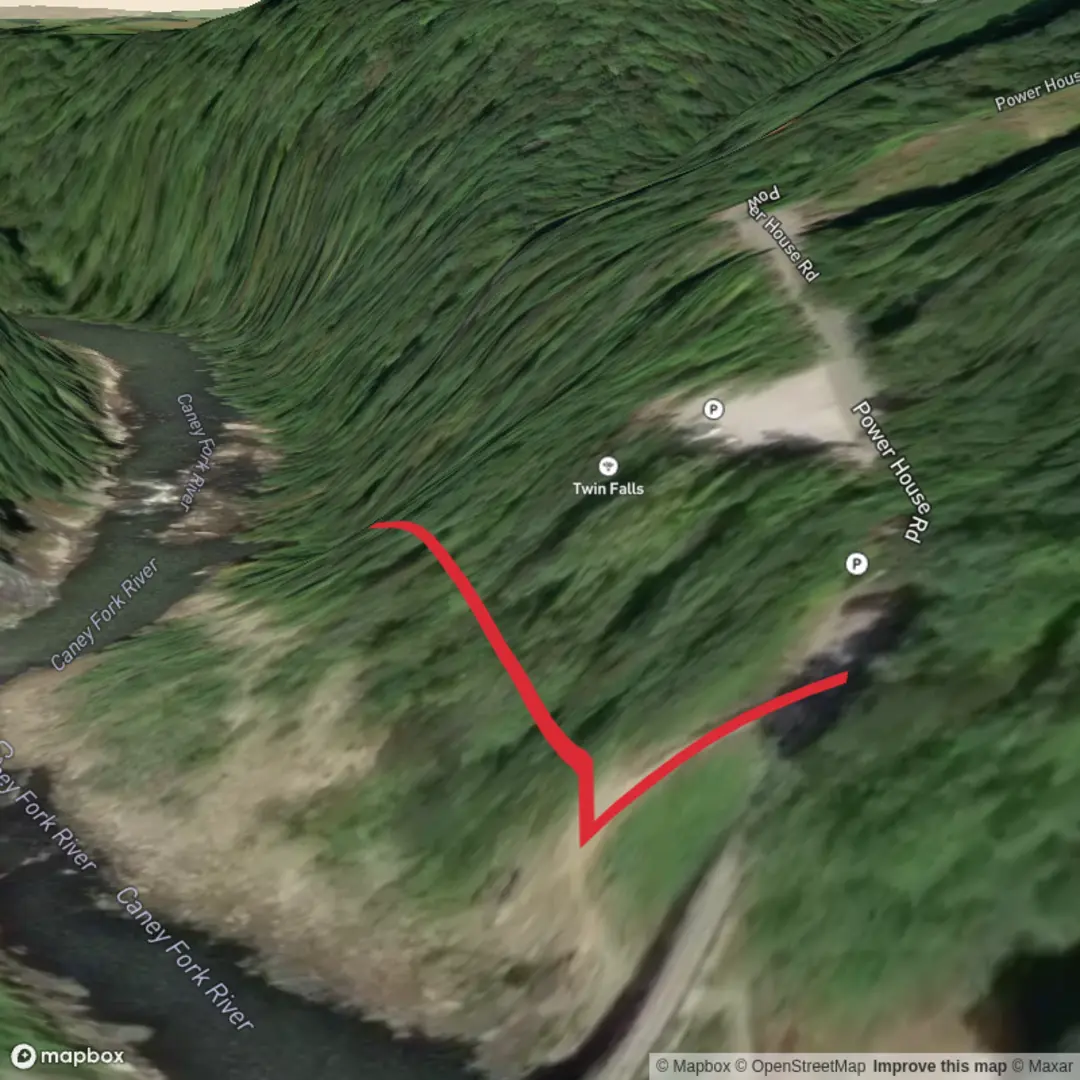
Download
3D Flyover
Add to list
More
380 m
~5 min
10 m
Out and Back
“A mossy forest ramble builds to thunderous Twin Falls, rewarding prepared hikers with dramatic gorge views.”
This short but rewarding waterfall hike in Olallie State Park near North Bend, Washington is best treated as a 2.4 to 2.5 mile (3.9 to 4.0 km) round-trip out-and-back rather than 0 km, with roughly 500 feet (152 m) of elevation gain from the main Twin Falls Trailhead. Some hiking sources record a steeper cumulative gain depending on the exact line walked, but for planning purposes it sits comfortably in the medium / easy-moderate range. The main trailhead is at 47600 SE 159th Street, North Bend, WA 98045, and the falls are just east of I-90 in the South Fork Snoqualmie corridor. (wta.org)
The route starts in dense, mossy forest and quickly settles into the classic western Cascades feel: damp earth, towering conifers, fern-lined tread, and the constant sound of the South Fork Snoqualmie River nearby. Early on, the trail rolls gently through shaded woodland before reaching river access points and then climbing more decisively toward the falls. Although the mileage is short, the trail is not flat; expect a few rooty sections, short steeper pitches, and some uneven footing that justify the medium rating for hikers who are not used to Northwest trails. (wta.org)
What to expect on the trail
From the main trailhead, the first part of the walk is relatively forgiving and makes a good warm-up. In spring, the lower forest can be rich with trillium, skunk cabbage, and later salmonberries, while the river corridor adds cool air and a steady rush of water. Around the middle of the hike, the trail passes notable old-growth forest and begins the most sustained climbing of the outing. This is where the route feels more “moderate” than “easy,” especially after rain when roots and compacted soil can be slick. (wta.org)
The signature landmark is the waterfall complex itself. Twin Falls is often described as a trio of waterfalls, with the lower drop being the most dramatic. The trail passes between waterfalls on a free-span bridge about 75 feet (23 m) above the river, then reaches viewpoints that look into the narrow rock canyon and toward the final plunge. Washington State Parks describes the main lower drop as about 135 feet (41 m), and the setting is especially striking because the river is compressed through bedrock before spilling downward. (parks.wa.gov)
A staircase spur leads to one of the better lower-falls viewpoints, while the bridge area gives a different perspective over the gorge and middle cascades. Water volume can change the character of the hike quite a bit: after heavy rain or during snowmelt, the falls are louder, mistier, and more forceful; in drier periods, the rock structure and layered channels become easier to appreciate. (myhikes.org)
Terrain, hazards, and planning notes
Even though this is a popular short hike, it deserves respect. There are steep drop-offs and cliff edges near parts of the route and around viewpoints, and unofficial side paths toward the river can be hazardous. The river itself can also be dangerous; local hiking guidance warns that flash flooding is possible when heavy rain pushes water downstream. Good footwear is more important here than the mileage suggests, especially in wet weather. (myhikes.org)
Because the trail is short, many hikers underestimate how damp and cool the area can feel. Bring a waterproof layer in shoulder seasons, and expect mud after rain. In summer, the forest offers shade, but the steeper exposed sections can still feel warm, so carrying water is worthwhile even for a brief outing. If you use navigation, download the route in HiiKER before setting out, as tree cover and canyon terrain can make on-the-spot orientation less convenient than expected.
Nature and wildlife
This part of the Snoqualmie Valley sits on the western slope of the Cascades, so the trail passes through a lush low-elevation forest ecosystem with old-growth trees, berry-producing shrubs, and river habitat that supports a wide range of wildlife. The park is known for wildlife viewing, and hikers should keep an eye out for common forest birds, squirrels, amphibians in wetter pockets, and signs of larger mammals that move through the valley. The abundance of berries in the park landscape is so notable that
Comments and Reviews
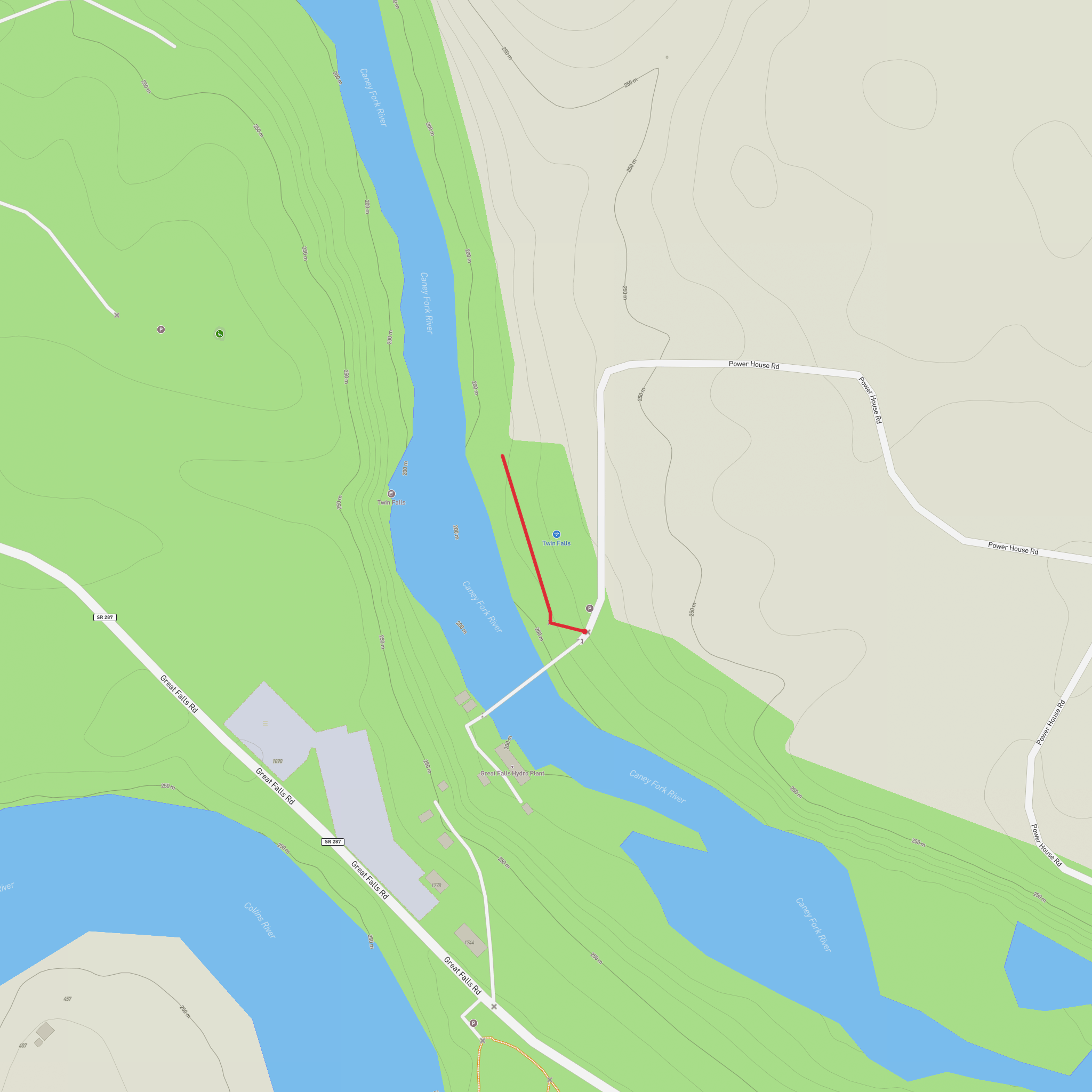
User comments, reviews and discussions about the Twin Falls, Tennessee.
average rating out of 5
0 rating(s)
