Download
3D Flyover
Add to list
More
5.9 km
~1 hrs 11 min
6 m
Loop
“A calm, mostly level riverside loop with shaded bends, quiet valley charm, and occasional muddy footing.”
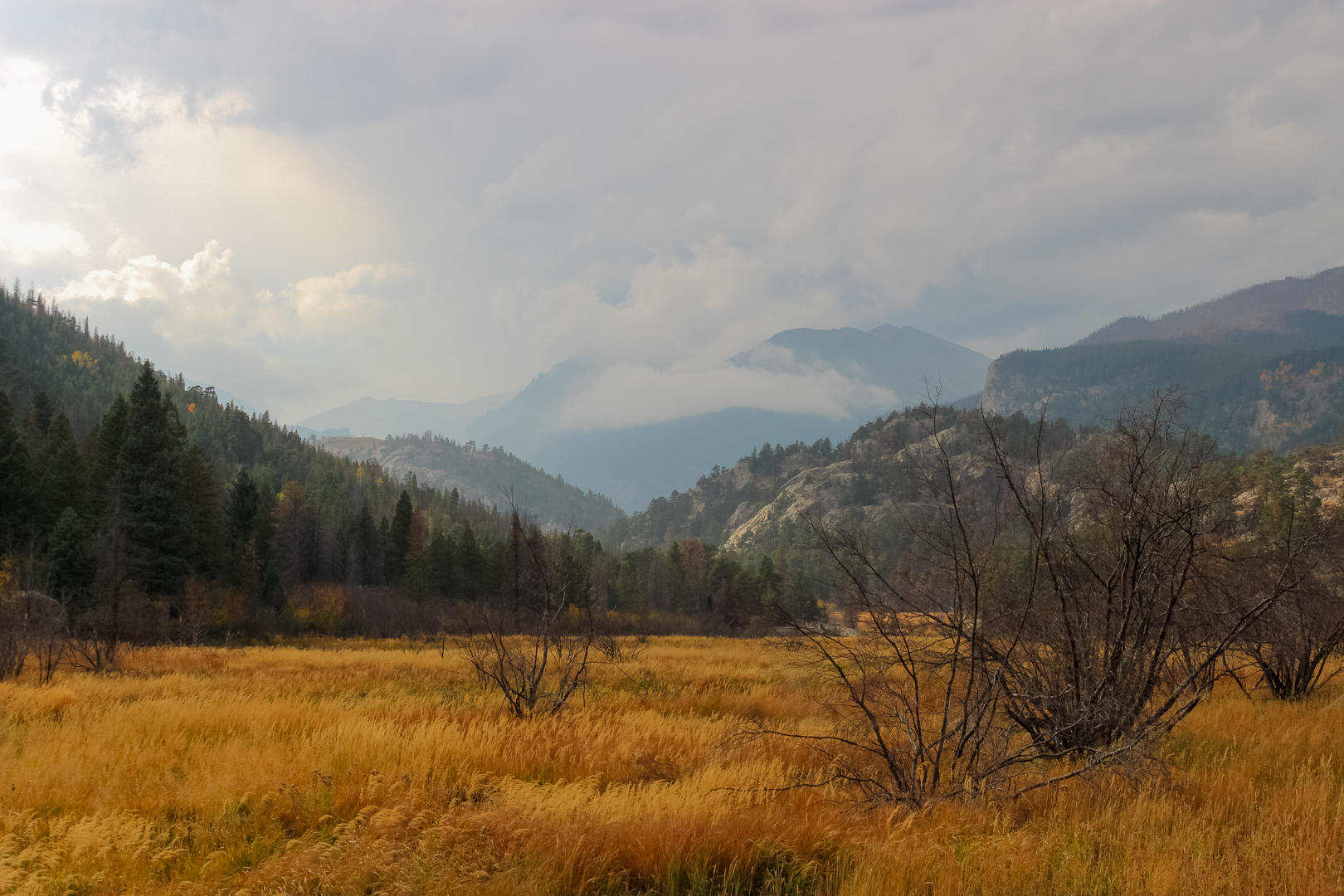
This easy loop is a gentle, mostly level wander through a quiet valley and along the Jackson River corridor, with frequent water views, shaded stretches, and a “gorge” feel created more by steep riverbanks and tight bends than by big elevation. At roughly 6 km (3.7 mi) with about 0 m (0 ft) of climbing, it’s well-suited to families, casual walkers, and anyone looking for a low-effort nature walk—just be ready for damp ground near the river and a few spots where the tread can be narrow or uneven.
Getting to the trailhead (car + public transport)
Because your start is listed only as “near” (no coordinates provided), the best way to pin down the exact trailhead address is to open the route in HiiKER and use the start-point pin to identify the nearest signed parking area or landmark. Once you share the start lon/lat (or a HiiKER link), I can convert it to the nearest known address or notable landmark precisely.
By car - Aim for the nearest signed access point/parking pull-off associated with Hidden Valley / Jackson River access. In this region, trailheads are often small gravel lots or roadside pull-offs rather than large developed parking areas. - Expect limited services at the trailhead: bring water, and don’t count on restrooms or cell coverage in the gorge-like sections.
By public transport - Public transit is often sparse around river-gorge trailheads. A common approach is: 1) Take regional transit to the nearest town with service, 2) Use a rideshare/taxi to the trailhead. - If you tell me the nearest town you’re coming from (or provide the coordinates), I can outline the most realistic transit chain and where the last reliable drop-off point is.
What the hike is like, step by step
From the trailhead, the loop typically begins on a broad, easy path that settles quickly into a valley floor. The grade stays nearly flat—think 0–10 m (0–33 ft) of gentle undulation rather than sustained climbing. Early on, you’ll likely pass through mixed riparian vegetation: look for moisture-loving plants, mossy rocks, and low shrubs that thrive near the river corridor.
At around 1 km (0.6 mi) in, the route usually starts to feel more enclosed as the river bends and the banks steepen. Even without major elevation gain, the landscape can read as “gorge” because the river has cut a defined channel and the trail threads along its edge. This is where footing can change: packed dirt may give way to leaf litter, small stones, or short muddy patches depending on recent rain.
River corridor, viewpoints, and tread conditions
Between roughly 2–4 km (1.2–2.5 mi), expect the most scenic water-adjacent walking. You’ll often have: - Short spur-like openings to the riverbank (good for photos, but watch for undercut edges). - Shaded stretches where the trail stays cooler and can remain damp longer. - Narrower tread in places—still easy, but you may need to step aside for oncoming hikers.
If the loop includes any informal crossings or low spots, they’re usually the only “crux” on an otherwise easy outing. After rain, the river can rise and saturate the banks; even when the trail is passable, shoes can get muddy quickly. Lightweight hiking shoes with decent tread are usually enough; waterproof footwear is helpful in wetter seasons.
Landmarks and natural highlights
Even on a short loop, the variety comes from the river’s shape and the valley’s vegetation changes: - Jackson River bends and gravel bars: These are classic features of a working river system—look for rounded stones, driftwood piles, and small sand/gravel deposits that shift after high water. - Hidden Valley character: Valleys like this often create a calmer microclimate—less wind, more shade, and richer soils. You may notice thicker understory growth and more bird activity. - Seasonal color: Spring and early summer tend to bring the most wildflower and fresh-green growth; autumn can be excellent for leaf color along the corridor.
Wildlife: what you might see (and what to watch for)
Along river-and-valley trails, wildlife sightings are often more about signs than direct encounters: - Birdlife: Songbirds in the shrubs and canopy; water-associated birds closer to open banks. - Mammals: Deer are common in many river valleys; smaller mammals may be active near dawn/dusk. - Reptiles/amphibians: In warm months, you may see turtles or hear frogs near wetter pockets.
What to look out for: - Ticks in brushy edges and leaf litter—use repellent and do a check after the hike. - Poison ivy is common along sunny trail margins and disturbed ground; learn the “leaves of three” look. - Snakes may sun on warm, open sections; give them space and watch where you place hands/feet near logs and rocks.
Navigation and planning notes (keep it easy)
This loop is short, but river corridors can have side paths (fishing access, social trails, old track lines). To avoid accidentally taking a wrong spur: - Keep the route loaded in HiiKER and check your position at junctions. - If you lose the main tread, backtrack to the last obvious point rather than pushing forward on faint paths.
Historical significance of river-gorge regions
River valleys and gorges have long served as natural travel corridors and resource areas—first for Indigenous peoples and later for settlement, timber, and transport routes. Even when a trail feels purely

Comments and Reviews
User comments, reviews and discussions about the Hidden Valley Trail and Jackson River Gorge Loop, Virginia.
average rating out of 5
0 rating(s)
