Download
3D Flyover
Add to list
More
3.3 km
~51 min
125 m
Out and Back
“A bright, sandy fire-road ramble through shadowy pocosin thickets—easygoing, yet sometimes deceptively draining.”
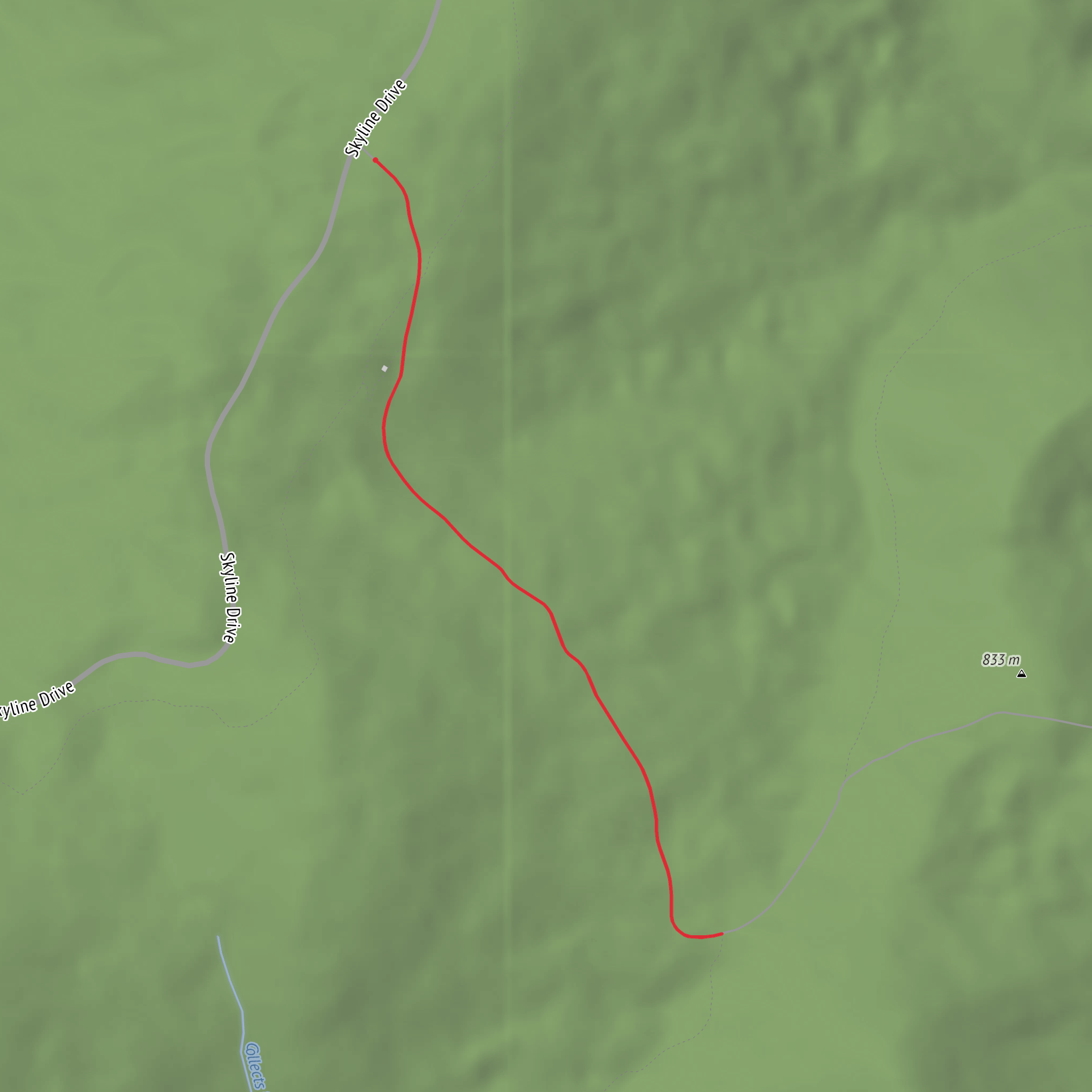
A short, punchy out-and-back (or lollipop, depending on which spurs you choose) along a sandy fire road through classic coastal-plain pocosin habitat—flat-to-gently rolling, with one or two slightly higher rises that account for most of the ~100 m (328 ft) of gain over roughly 3 km (1.9 mi). Expect a “wide corridor” feel rather than a narrow footpath: straight sightlines, open edges, and a surface that can swing from firm-packed sand to soft, energy-sapping stretches after dry spells.
Because your start location is listed only as “near” (no coordinates provided), I can’t convert a lon/lat to a nearest address or landmark yet. If you share the trailhead coordinates (or the park/forest name and the closest town), I’ll pin it to the nearest recognizable access point (e.g., a specific gate, parking pull-off, or named road junction) and tailor the directions and landmarks precisely.
Getting to the start (car + public transport)
By car: Fire-road hikes in pocosin country are typically accessed from a signed wildlife refuge/forest entrance road or a gravel/sand management road with a small pull-off. Plan for: - Limited parking: often a small shoulder or turnaround rather than a formal lot. - Road conditions: the last approach can be gravel or sand; low-clearance cars are usually fine in dry weather, but avoid after heavy rain if the access road is unpaved. - No services at the trailhead: bring water, bug protection, and a basic first-aid kit.
By public transport: In most coastal-plain pocosin areas, public transit rarely reaches the actual trailhead. A workable approach is usually: - Take regional transit to the nearest town hub, then use a rideshare/taxi to the access road. - If you tell me the nearest town/coordinates, I can suggest the most realistic “transit-to-rideshare” handoff point.
For navigation, download the route in HiiKER before you arrive—cell coverage can be patchy in low-lying wetlands and managed forest blocks.
You’ll want to treat this as a “prepared day-walk” even though it’s short: pocosin terrain can be deceptively demanding due to footing, heat, humidity, and insects.
What the hike feels like underfoot
- Surface: mostly sand or sandy gravel with occasional ruts. After rain, low spots can hold water; after drought, sand can get loose and tiring.
- Grade: generally gentle. The ~100 m (328 ft) gain is likely spread across subtle rises and dips rather than a single climb.
- Width: a fire road is typically wide enough for maintenance vehicles; you’ll have fewer “trail cues” (blazes, narrow tread) and more intersections/spurs—another reason to keep HiiKER handy.
Route breakdown (approximate)
0.0–0.5 km (0.0–0.3 mi): settling in You’ll start on a broad, straight track with vegetation tight to the edges. In pocosin landscapes, the first thing most hikers notice is the contrast: the road is open and bright, while the shrub layer beyond it can be dense and dark—often evergreen and leathery-leaved, adapted to nutrient-poor, acidic soils.
0.5–1.5 km (0.3–0.9 mi): into the pocosin This is where the habitat character becomes more obvious. Pocosins are shrub bog/wetland systems—often saturated below the surface even when the road looks dry. Look for: - Dense shrubs (often including gallberry/inkberry-type hollies and other evergreen thickets depending on the exact region) - Pines on slightly higher ground - Ditches or shallow swales paralleling the road in managed areas (common in fire-management and timber landscapes)
Wildlife is often heard before it’s seen: songbirds in the shrub layer, woodpeckers in pine stands, and frogs calling from wetter pockets in warm months.
1.5 km (0.9 mi) turnaround zone At around the halfway point of a 3 km (1.9 mi) outing, you’ll likely reach either: - a junction with another management road, - a turnaround/berm, - or a subtle change in habitat (slightly higher, drier pine ground vs. wetter shrub).
If you’re doing an out-and-back, this is a natural place to pause, check HiiKER, and decide whether to extend via a spur (if available) or return.
Return 1.5 km (0.9 mi): same track, different details On the way back, the “wide road” can make distances feel shorter, but keep an eye on footing—fatigue plus soft sand is when ankles tend to roll. If the day is breezy, you may notice fewer insects on the return; if it’s still and humid, they can intensify late in the walk.
Landmarks, nature, and what to look for
Even without dramatic peaks or waterfalls, pocosin country has distinctive highlights: - Edge ecology: the road creates a long “edge” where sunlight hits low shrubs—excellent for butterflies and basking reptiles on warm days. - Seasonal color: spring brings fresh growth and bird activity; late summer can be hot and buggy; fall often has clearer air and fewer insects. - Water signatures: even when you don’t see open water, you’ll often notice saturated ground, peat-like soils, and plant communities that signal persistent wetness.
Wildlife notes (and how to hike responsibly)
What you might encounter depends on the exact refuge/forest, but common themes in
Surfaces
Gravel
Unknown
Comments and Reviews
User comments, reviews and discussions about the Pocosin Fire Road Hike, Virginia.
average rating out of 5
0 rating(s)
